- Contact Us
- Find us on :
-

-

-

-

-

-


A State University Established By Govt. of Punjab vide Punjab Act No. 5 of 2015 and Under Section 2(f) & 12 B of UGC

.jpeg)
.jpg)
.jpg)
In today's age of digital emergence, computers have become an integral part of the society. With the upsurge in the demand of Computer Professionals in the Country, grooming competent Computer Professionals has become a prequisite. Being a pioneer of learning, Maharaja Ranjit Singh Punjab Technical University started MCA and PhD in 2012 and 2016 respectively. Further, in from 2018, BCA-MCA Dual Degree had been introduced. Also, in 2022, Department had started B.Sc (Graphics & Web Designing) Continuing its commitment to providing cutting-edge education in the field of computer science, the university proudly initiated the B.A. (Computer Science) programme in 2023.
Along with the introduction of the above-mentioned Programmes, Computational Sciences Department has also been offering its teaching aids to various other Departments of the university such as Mathematics, Engineering, Pharmaceutical Sciences and University Business School.
To establish an interactive learning environment, the department has enrolled highly-skilled competent faculty, who, apart from imparting technical knowledge, helps and motivates students to perform better. Also, the campus uses its proficiency to help in cater the needs of IT industry. Further, the Department of Computational Sciences has tied up with Thompson Rivers University, Canada for student transfer policy.
The department believes in overall development of young IT professionals by providing them not only comprehensive knowledge of the computer-related subjects, but also imparting practical skills to them.
Student To become the centre of excellence in computing skills by producing technically competent, creative qualified professionals who can meet the challenges of modern computing industry and can work for the betterment of society.
1. To provide practical solutions to the youth to become productive participating global citizens and lifelong learners.
2. To develop students professionalism in young software engineer by inculcating discipline and responsiveness.
3. To attain self employment by inducing Project management techniques and teamwork.
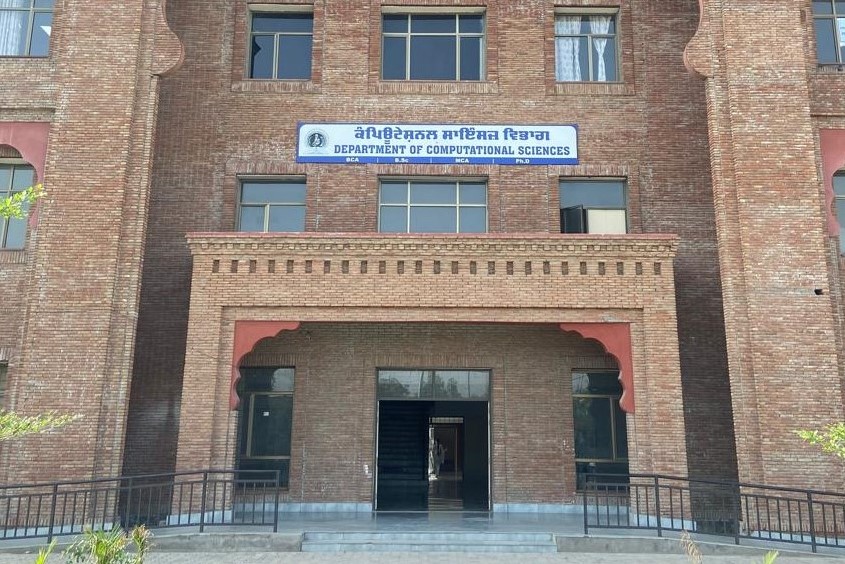
Welcome to the Department of Computational Sciences at Maharaja Ranjit Singh Punjab Technical University, Bathinda.
Our department is committed to providing top-tier education in the fields of computing and technology through diverse programs such as the BCA-MCA Dual Degree, B.Sc. (Graphics and Web Designing), B.A. (Computer Science), MCA, and Ph.D., all designed to meet the growing demands of the digital world. With a strong focus on practical skills, research, and innovation, we aim to shape future-ready professionals who excel in academia, industry, and beyond. We are dedicated to ensuring great careers for our students by fostering deep industry connections, cultivating a research-driven culture from day one, and delivering education through cutting-edge technology. Our excellent infrastructure, experienced faculty, and active Training and Placement Cell work together to ensure a bright future for our students. We strongly encourage innovation not only in research but also in teaching and community service. Our faculty and students constantly strive for excellence and push the boundaries of computer science.
I invite you to join our journey as we propel the Department of Computational Sciences to new heights. Wishing all our students and faculty continued success and a fulfilling academic career.
Sincerely,
Dr. Munish Jindal
Head of Department, Computational Sciences
MRSPTU, Bathinda
| Sr No. | Course | Intake | Duration |
|---|---|---|---|
| 1 | M.Sc. (Data Science & Analytics) | 30 | 2 Years |
| 2 | B.A. Hons. (Computer Science) | 270 seats | 4 Years |
| 3 | B.Sc. Hons. (Graphics And Web Designing) | 60 Seats | 4 Years |
| 4 | BCA (Hons.) | 270 Seats | 4 Years |
| 5 | MCA | 60 Seats | 2 years |
| 6 | Ph.D | - | - |
POs For BCA-MCA Dual Degree And MCA Courses
Communication Efficacy: Communicate effectively with the computing community as well as society by being able to comprehend effective documentations and presentations.
Modern Tool Usage: Design, analyse and develop the computing systems using modern tools by considering the limitations.
Solutions to Complex Problems: Explore and design solutions for complex computing problems and design system components or processes using computing algorithms.
Computational Knowledge: Apply mathematics, sciences and computing fundamental and domain concepts to find out the solution of defined problems and requirements.
Individual and team work Function effectively as an individual, and as a member or leader in diverse teams.
Project management: Establishing strategies in developing and implementing ideas in multidisciplinary environments using computing and management skills
Effective Citizenship: Demonstrate empathetic social concern and equity centred national development, and the ability to act with an informed awareness of issues and participate in civic life through volunteering.
Ethics: Recognize the different value systems including own, understand the moral dimensions of own decisions.
| BCA-MCA DUAL DEGREE | POs | PSOs | COs, POs and PSOs Mapping | Course Articulation Matrix |
| MCA | POs | PSOs | COs, POs and PSOs Mapping | Course Articulation Matrix |
|
Research Outcome |
Total Numbers |
|
Publications |
157 |
|
Books |
7 |
|
Book Chapters |
24 |
|
Publications with Impact Factors in Journals indexed in SCOPUS, SCI, SSCI and ESCI |
100+ |
|
Cumulative Impact Factor |
400+ |
|
Publications in other Journals |
20 |
|
Patents applied/granted |
05 + 01 Filed |
|
Full papers in conference proceedings |
60+ |
2026
2025
8. Sethi, M., Kumar, M., & Jindal, M. K. (2025). Forensic handwriting analysis: a hybrid classification framework for writer identification in Devanagari script. Multimedia Tools and Applications, 1-12. https://link.springer.com/article/10.1007/s11042-024-20574-4
Year 2024
Dargan, S., & Kumar, M. (2024). Gender Classification System Based on the Behavioral Biometric Modality: Application of Handwritten Text. ACM Transactions on Asian and Low-Resource Language Information Processing, 23(3), 1-21.
Dargan, S., Kumar, M., Mittal, A., & Kumar, K. (2024). Handwriting-based gender classification using machine learning techniques. Multimedia Tools and Applications, 83(7), 19871-19895.
Farooq, U., Khurana, S. S., Singh, P., & Kumar, M. (2024). An Empirical Study on Detection of Android Adware Using Machine Learning Techniques. Multimedia Tools and Applications, 83(13), 38753-38792.
Farooq, U., Singh, P., Khurana, S. S., & Kumar, M. (2024). Detection of content-based cybercrime in Roman Kashmiri using ensemble learning. Multimedia Tools and Applications, 83(11), 33071-33105.
Kaur, H., Rani, V., Kumar, M., Sachdeva, M., Mittal, A., & Kumar, K. (2024). Federated learning: a comprehensive review of recent advances and applications. Multimedia Tools and Applications, 83(18), 54165-54188.
Kaur, M., & Kumar, M. (2024). Facial emotion recognition: A comprehensive review. Expert Systems, e13670.
Liu, J., Xu, Z., Yang, Y., Zhou, K., & Kumar, M. (2024). Dynamic Prediction Model of Financial Asset Volatility Based on Bidirectional Recurrent Neural Networks. Journal of Organizational and End User Computing (JOEUC), 36(1), 1-23.
Nabi, S. T., Kumar, M., & Singh, P. (2024). A convolution deep architecture for gender classification of urdu handwritten characters. Multimedia Tools and Applications, 1-16.
Rani, V., Kumar, M., Gupta, A., Sachdeva, M., Mittal, A., & Kumar, K. (2024). Self-supervised learning for medical image analysis: a comprehensive review. Evolving Systems, 1-27.
Shaheed, K., Abbas, Q., & Kumar, M. (2024). Automatic diagnosis of CoV-19 in CXR images using haar-like feature and XgBoost classifier. Multimedia Tools and Applications, 1-23.
Shaheed, K., Szczuko, P., Kumar, M., Qureshi, I., Abbas, Q., & Ullah, I. (2024). Deep learning techniques for biometric security: A systematic review of presentation attack detection systems. Engineering Applications of Artificial Intelligence, 129, 107569.
Sidhu, S., Khurana, S. S., Kumar, M., Singh, P., & Bamber, S. S. (2024). Sentiment analysis of Hindi language text: a critical review. Multimedia Tools and Applications, 83(17), 51367-51396.
Singh, P., Singh, P., Farooq, U., Khurana, S. S., Verma, J. K., & Kumar, M. (2024). Retraction Note: CottonLeafNet: cotton plant leaf disease detection using deep neural networks.
Singh, S., Garg, N. K., & Kumar, M. (2024). VGG16: Offline handwritten devanagari word recognition using transfer learning. Multimedia Tools and Applications, 1-34.
Singla, C., Maini, R., & Kumar, M. (2024). Age, gender and handedness prediction using handwritten text: A comprehensive survey. Engineering Applications of Artificial Intelligence, 128, 107432.
Year 2023
Kaur, H., Bansal, S., Kumar, M., Mittal, A., & Kumar, K. (2023). Worddeepnet: handwritten gurumukhi word recognition using convolutional neural network. Multimedia Tools and Applications, 82(30), 46763-46788.
Kaur, H., Rani, V., Kumar, M., Sachdeva, M., Mittal, A., & Kumar, K. (2023). Federated learning: a comprehensive review of recent advances and applications. Multimedia Tools and Applications, 1-24.
Sitender, Bawa, S., Kumar, M., & Sangeeta. (2023). A comprehensive survey on machine translation for English, Hindi and Sanskrit languages. Journal of Ambient Intelligence and Humanized Computing, 14(4), 3441-3474.
Rani, V., & Kumar, M. (2023, March). DeepNet-Gait: Human Identification by Gait Using Convolutional Neural Network Model. In 2023 10th International Conference on Signal Processing and Integrated Networks (SPIN) (pp. 115-120). IEEE.
Misgar, M. M., Mushtaq, F., Khurana, S. S., & Kumar, M. (2023). Recognition of offline handwritten Urdu characters using RNN and LSTM models. Multimedia Tools and Applications, 82(2), 2053-2076.
Sethi, M., Jindal, M. K., & Kumar, M. (2022, June). Feature extraction techniques for gender classification based on handwritten text: a critical review. In Proceedings of International Conference on Frontiers in Computing and Systems: COMSYS 2021 (pp. 191-201). Singapore: Springer Nature Singapore.
Rani, S., Kaur, M., Kumar, M., Ravi, V., Ghosh, U., & Mohanty, J. R. (2023). Detection of shilling attack in recommender system for YouTube video statistics using machine learning techniques. Soft Computing, 27(1), 377-389.
Year 2022
1. Dhiman, B., Kumar, Y., & Kumar, M.. (2022). Fruit Quality Evaluation Using Machine Learning Techniques: Review, Motivation and future perspectives. Multimedia Tools and Applications, 81(12), 16255–16277. (SCI Indexed) https://doi.org/10.1007/s11042-022-12652-2
2. Jan, T. G., Khurana, S. S., & Kumar, M. (2022). Semi-supervised labeling: A proposed methodology for labeling the Twitter datasets. Multimedia Tools and Applications, 81(6), 7669–7683. (SCI Indexed) https://doi.org/10.1007/s11042-022-12221-7
3. Kaur, A., Kumar, M., & Jindal, M. K. (2022). Cattle identification muzzle pattern using Computer Vision Technology: A critical review and prospective. Soft Computing, 26(10), 4771–4795. (SCI Indexed) https://doi.org/10.1007/s00500-022-06935-x
4. Kaur, A., Kumar, M., & Jindal, M. K. (2022). Shi-Tomasi Corner detector for cattle identification from muzzle print image pattern. Ecological Informatics, 68, 101549. (SCI Indexed) https://doi.org/10.1016/j.ecoinf.2021.101549
5. Kaur, G., Singh, N., & Kumar, M. (2022). Image forgery techniques: A Review. Artificial Intelligence Review. (SCI Indexed) https://doi.org/10.1007/s10462-022-10211-7
6. Kaur, R. P., Kumar, M., & Jindal, M. K. (2022). Performance evaluation of different features and classifiers for Gurumukhi Newspaper Text Recognition. Journal of Ambient Intelligence and Humanized Computing. (SCI Indexed) https://doi.org/10.1007/s12652-021-03687-8
7. Koul, S., Kumar, M., Khurana, S. S., Mushtaq, F., & Kumar, K. (2022). An efficient approach for copy-move image forgery detection using Convolution Neural Network. Multimedia Tools and Applications, 81(8), 11259–11277. (SCI Indexed) https://doi.org/10.1007/s11042-022-11974-5
8. Kumar, M., Jindal, M. K., & Kumar, M. (2022). Design of innovative CAPTCHA for Hindi language. Neural Computing and Applications, 34(6), 4957–4992. (SCI Indexed) https://doi.org/10.1007/s00521-021-06686-0
9. Kumar, M., Jindal, M. K., & Kumar, M. (2022). Distortion, rotation and scale-invariant recognition of hollow Hindi characters. SADHANA, 47(2). (SCI Indexed) https://doi.org/10.1007/s12046-022-01847-w
10. Misgar, M. M., Mushtaq, F., Khurana, S. S., & Kumar, M. (2022). Recognition of offline handwritten Urdu characters using RNN and LSTM models. Multimedia Tools and Applications. (SCI Indexed) https://doi.org/10.1007/s11042-022-13320-1
11. Rani, V., Kumar, M., Mittal, A., & Kumar, K. (2022). Artificial Intelligence for cybersecurity: Recent advancements, challenges and opportunities. Robotics and AI for Cybersecurity and Critical Infrastructure in Smart Cities, 73–88. (SCI Indexed) https://doi.org/10.1007/978-3-030-96737-6_4
12. Shaheed, K., Mao, A., Qureshi, I., Abbas, Q., Kumar, M., & Zhang, X. (2022). Finger-vein presentation attack detection using depthwise separable convolution neural network. Expert Systems with Applications, 198, 116786. (SCI Indexed) https://doi.org/10.1016/j.eswa.2022.116786
13. Shaheed, K., Mao, A., Qureshi, I., Kumar, M., Hussain, S., & Zhang, X. (2022). Recent advancements in finger vein recognition technology Methodology, challenges and opportunities. Information Fusion, 79, 84–109. (SCI Indexed) https://doi.org/10.1016/j.inffus.2021.10.004
14. Shaheed, K., Mao, A., Qureshi, I., Kumar, M., Hussain, S., Ullah, I., & Zhang, X. (2022). DS-CNN: A pre-trained XCEPTION model based on depth-wise separable convolutional neural network for finger vein recognition. Expert Systems with Applications, 191, 116288. (SCI Indexed) https://doi.org/10.1016/j.eswa.2021.116288
15. Singh, A., Kaur, N., Kukreja, V., Kadyan, V., & Kumar, M. (2022). Computational intelligence in processing of Speech Acoustics: A survey. Complex & Intelligent Systems, 8(3), 2623–2661. (SCI Indexed) https://doi.org/10.1007/s40747-022-00665-1
16. Singh, S., Garg, N. K., & Kumar, M. (2022). Feature extraction and classification techniques for handwritten Devanagari text recognition: A survey. Multimedia Tools and Applications. (SCI Indexed) https://doi.org/10.1007/s11042-022-13318-9
Year 2021
Chaturvedi, V., Kaur, A. B., Varshney, V., Garg, A., Chhabra, G. S., & Kumar, M. (2021). Music mood and human emotion recognition based on physiological signals: A systematic review. Multimedia Systems, 28(1), 21–44. (SCI Indexed) https://doi.org/10.1007/s00530-021-00786-6
Kumar, M., Jindal, M. K., & Kumar, M. (2021). A systematic survey on CAPTCHA RECOGNITION: Types, creation and breaking techniques. Archives of Computational Methods in Engineering, 29(2), 1107–1136. (SCI Indexed)https://doi.org/10.1007/s11831-021-09608-4
Y. Kumar, N. Singh, Munish Kumar, and A. Singh, “AutoSSR: an efficient approach for automatic spontaneous speech recognition model for the Punjabi Language”, Soft Computing, Vol. 25, pp. 1617–1630, 2021 (SCI Indexed) https://link.springer.com/article/10.1007/s00500-020-05248-1
M. Mittal, Munish Kumar, A. Verma, I. Kaur, B. Kaur, M. Sharma and L. M. Goyal, “FEMT: a computational approach for fog elimination using multiple thresholds”, Multimedia Tools and Applications, Vol. 80, pp. 227–241, 2021 (SCI Indexed) https://link.springer.com/article/10.1007/s11042-020-09657-0
M. Arora and Munish Kumar, “AutoFER: PCA and PSO Based Automatic Facial Emotion Recognition”, Multimedia Tools and Applications, Vol. 80, pp. 3039–3049, 2021.(SCI Indexed) https://link.springer.com/article/10.1007/s11042-020-09726-4
H. Kaur and Munish Kumar “On the Recognition of Offline Handwritten Word Using Holistic Approach and AdaBoost Methodology”, Multimedia Tools and Applications, 2021 (In Press), (SCI Indexed) https://link.springer.com/article/10.1007/s11042-020-10297-7
A. Kumar, Munish Kumar, A. Kaur “Face Detection in Still Images under Occlusion and non-uniform illumination” Multimedia Tools and Applications, 2021(In Press), (SCI Indexed) https://link.springer.com/article/10.1007/s11042-020-10457-9
S. Rani, M. Kaur and Munish Kumar “Detection of Shilling Attack in Recommender System for YouTube Video Statistics using Machine Learning Techniques”, Soft Computing, 2021 (In Press), (SCI Indexed) https://link.springer.com/article/10.1007/s00500-021-05586-8
K. Kapoor, S. Rani, Munish Kumar, V. Chopra and G. S. Brar “Hybrid Local Phase Quantization and Grey Wolf Optimization Based SVM for Finger Vein Recognition”, Multimedia Tools and Applications, 2021 (In Press), (SCI Indexed) https://link.springer.com/article/10.1007/s11042-021-10548-1
H. Singh, R. K. Sharma, V. P. Singh and Munish Kumar “Recognition of Online Handwritten Gurmukhi Characters Using Recurrent Neural Network”, Soft Computing, 2021 (In Press), (SCI Indexed) https://link.springer.com/article/10.1007/s00500-021-05620-9
Munish Kumar, N. Singh, R. Kumar, S. Goel and K. Kumar “Gait Recognition Based on Vision Systems: A Systematic Survey”, Journal of Visual Communication and Image Representation, Vol. 75, pp. 103052, 2021, (SCI Indexed).https://www.sciencedirect.com/science/article/abs/pii/S1047320321000249
M. Bansal, Munish Kumar and M. Kumar “2D Object Recognition: A Comparative Analysis of SIFT, SURF, and ORB Feature Descriptors”, Multimedia Tools and Applications, 2021(In Press), (SCI Indexed) https://link.springer.com/article/10.1007/s11042-021-10646-0
L. M. Goyal, M. Mittal, Munish Kumar, B. Kaur, M. Sharma and A. Verma, "An Efficient Method of Multicolor Detection Using Global Optimum Thresholding For Image Analysis”, Multimedia Tools and Applications, 2021(In Press), (SCI Indexed) https://link.springer.com/article/10.1007/s11042-020-10365-y
K. Shaheed, A. Mao, I. Qureshi, Munish Kumar, Q. Abbas, I. Ullah and X. Zhang, "A Systematic Review on Physiological-Based Biometric Recognition Systems: Current and Future Trends", Archives of Computational Methods in Engineering, 2021(In Press), (SCI Indexed) https://link.springer.com/article/10.1007/s11831-021-09560-3
S. Singh, U. Ahuja, Munish Kumar, K. Kumar and M. Sachdeva, "Face mask detection using YOLOv3 and faster R-CNN models: COVID-19 environment", Multimedia Tools and Applications, 2021(In Press), (SCI Indexed). https://link.springer.com/article/10.1007/s11042-021-10711-8
S. R. Narang, Munish Kumar, M. K. Jindal, "DeepNetDevanagari: a deep learning model for Devanagari ancient character recognition", Multimedia Tools and Applications, 2021(In Press), (SCI Indexed) https://link.springer.com/article/10.1007/s11042-021-10775-6.
Year 2020
P. Chhabra, N. K. Garg and Munish Kumar, “Content-Based Image Retrieval System using ORB and SIFT Features”, Neural Computing and Applications, Vol. 32, pp. 2725–2733, 2020. (SCI Indexed) https://link.springer.com/article/10.1007/s00521-018-3677-9
Munish Kumar and S. R. Jindal, “A Study of Recognition of Pre-Segmented Handwritten Multi-lingual Characters”, Archives of Computational Methods in Engineering, Vol. 27, pp. 577–589, 2020. (SCI Indexed) https://link.springer.com/article/10.1007/s11831-019-09332-0
Munish Kumar, M. K. Jindal, R. K. Sharma, and S. R. Jindal, “Performance Evaluation of Classifiers for the Recognition of Offline Handwritten Gurumukhi Characters and Numerals: A Study”, Artificial Intelligence Review, Vol. 53, pp. 2075–2097, 2020. (SCI Indexed) https://link.springer.com/article/10.1007/s10462-019-09727-2
A. Singh, V. Kadyan, Munish Kumar, and N. Baggan “ASRoIL: a comprehensive survey for automatic speech recognition of Indian languages”, Artificial Intelligence Review, Vol. 53, pp. 3673–3704, 2020. (SCI Indexed) https://link.springer.com/article/10.1007/s10462-019-09775-8
S. Gupta and Munish Kumar, “Forensic document examination system using boosting and bagging methodologies”, Soft Computing, Vol. 24, pp. 5409–5426, 2020. (SCI Indexed) https://link.springer.com/article/10.1007/s00500-019-04297-5
R. P. Kaur, Munish Kumar and M. K. Jindal, “Newspaper Text Recognition of Gurumukhi Script Using Random Forest Classifier”, Multimedia Tools and Applications, Vol. 79, pp. 7435–7448, 2020.(SCI Indexed) https://link.springer.com/article/10.1007/s11042-019-08365-8
S. Dargan and Munish Kumar, “A comprehensive survey on the biometric recognition systems based on physiological and behavioral modalities”, Expert Systems with Applications, Vol. 143, 1131142020, 2020. (SCI Indexed) https://www.sciencedirect.com/science/article/abs/pii/S0957417419308310
Munish Kumar, S. Gupta and N. Mohan, “A Computational Approach for Printed Document Forensics using SURF and ORB Features” Soft Computing, Vol. 24, pp. 13197-13208, 2020 (SCI Indexed) https://link.springer.com/article/10.1007/s00500-020-04733-x
S. Gupta, K. Thakur and Munish Kumar, “2D-Human Face Recognition Using SIFT and SURF descriptors of Face’s Feature Regions” The Visual Computer, pp. 1-10, 2020 (In Press), (SCI Indexed) https://link.springer.com/article/10.1007/s00371-020-01814-8
M. Bansal, Munish Kumar, and M. Kumar, “2D Object Recognition Techniques: State- of-the-Art Work”, Archives of Computational Methods in Engineering, pp. 1-15, 2020 (In Press), (SCI Indexed) https://link.springer.com/article/10.1007/s11831-020-09409-1
S. R. Narang, M. K. Jindal and Munish Kumar, “Ancient Text Recognition: A Review” Artificial Intelligence Review, Vol. 53, pp. 5517–5558,2020. DOI: 10.1007/s10462020-09827-4 (SCI Indexed) https://link.springer.com/article/10.1007/s10462-020-09827-4
I. R. Parray, S. Singh and Munish Kumar, “Time Series Data Analysis of Stock Price Movement Using Machine Learning Techniques”, Soft Computing, Vol. 24, pp. 16509- 16517, 2020. (SCI Indexed) https://link.springer.com/article/10.1007/s00500-020-04957-x
S. R. Narang, M. K. Jindal, S. Ahuja, and Munish Kumar, “On the Recognition of Devanagari Ancient Handwritten Characters using SIFT and Gabor Features”, Soft Computing, Vol. 24, pp. 17279-17289, 2020 (SCI Indexed https://link.springer.com/article/10.1007/s00500-020-05018-z
S. Gupta, N. Mohan and Munish Kumar, “A Study on Source Device Attribution using Still Images”, Archives of Computational Methods in Engineering, 2020. (SCI Indexed https://link.springer.com/article/10.1007/s11831-020-09452-y
R. P. Kaur, M. K. Jindal, and Munish Kumar, “Text and Graphics Segmentation of Newspaper Printed in Gurmukhi Script: A Hybrid Approach”, The Visual Computer, 2020 (In Press), (SCI Indexed https://link.springer.com/article/10.1007/s00371-020-01927-0
H. Kaur and Munish Kumar, “Offline Handwritten Gurumukhi Word Recognition Using eXtreme Gradient Boosting Methodology”, Soft Computing, 2020 (In Press), (SCI Indexed) https://link.springer.com/article/10.1007/s00500-020-05455-w
M. Bansal, Munish Kumar, M. Kumar, K. Kumar “An Efficient Technique for Object Recognition Using Shi-Tomasi Corner Detection Algorithm”, Soft Computing, 2020 (In Press), (SCI Indexed) https://link.springer.com/article/10.1007/s00500-020-05453-y
Munish Kumar, S. Gupta, K. Kumar and M. Sachdeva, “Spreading of Covid-19 in India, Italy, Japan, Spain, UK, US: A Prediction Using ARIMA and LSTM Model”, Digital Government: Research and Practice, Article No. 24,2020 https://dl.acm.org/doi/10.1145/3411760
S. Dargan and Munish Kumar, “Writer Identification System Based on Offline handwritten Text in Gurumukhi Script”, Proceedings of International Conference on Parallel, Distributed and Grid Computing (PDGC-2020),2020.
H. Singh, R. K. Sharma, R. Kumar, K. Verma, R. Kumar and Munish Kumar, “A Benchmark Dataset of Online Handwritten Gurmukhi Script Words and Numerals”, Proceedings of the International Conference on Computer Vision and Image Processing, 457- 466,2020. https://link.springer.com/chapter/10.1007/978-981-15-4018-9_41
Year 2019
H. Singh, R. K. Sharma and Munish Kumar, “A Benchmark Dataset of Online Handwritten Gurmukhi Script Words and Numerals”, Proceedings of the International Conference on Computer Vision and Image Processing, Jaipur, India,2019 https://link.springer.com/chapter/10.1007/978-981-15-4018-9_41
Year 2018
| Photograph | Name | Designation | Highest Qualification | Area of Interest/Research | Contact Details |
|---|---|---|---|---|---|

|
Dr. Munish Kumar | Associate Professor & Head | M.E. (CSE), Ph.D., UGC-NET, GATE | Document Analysis and Recognition, Image Processing, Pattern Recognition, Machine Learning | 9872319157 |
| Photograph | Name | Designation | Highest Qualification | Area of Interest/Research | Contact Details |
|---|---|---|---|---|---|
|
Prof. Sanjay Bhatnagar | Associate Professor | M.Phil Computer Science | Programming Languages, Image Processing, VANET | 9815007864 |
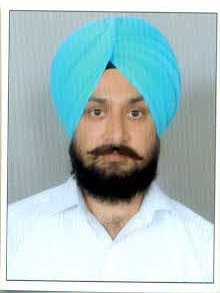
|
Dr.Amitoj Singh | Assistant Professor (On Lien) | MCA, Ph.D | Software Development Methodology, Language Technologies, Speech Signal Processing | 9855000456 |
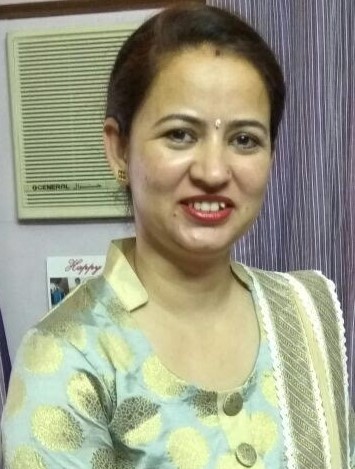
|
Dr. Anju Sharma (Shifted to PSAEC, Patiala) | Assistant Professor | Ph.D. | Grid Computing, Cloud Computing | 7888874425 |
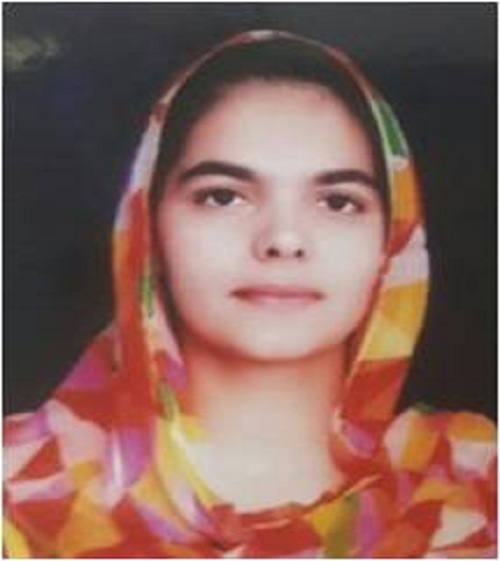
|
Sandeep Kaur | Assistant Professor | M.Tech (CSE), UGC NET | Image Processing, Machine Learning | -- |
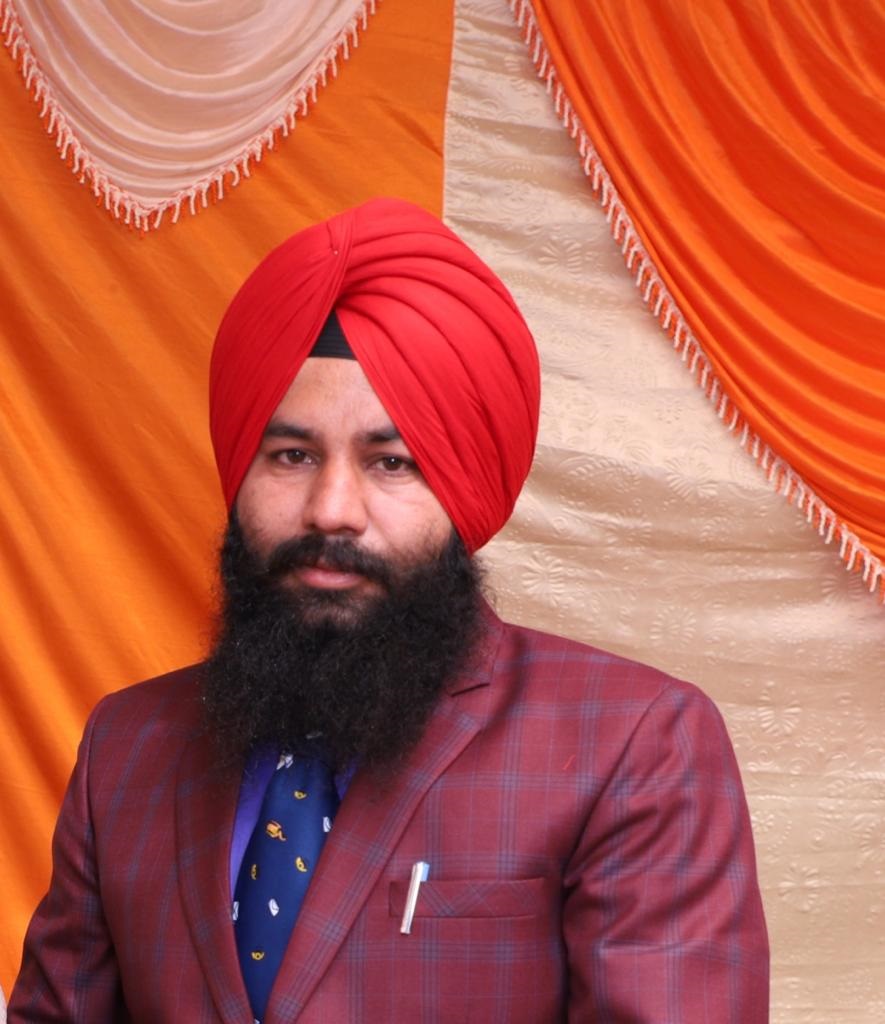
|
Manjinder Singh | Assistant Professor (Lecture Basis) | M.Phil | Programming Languages, Machine Learning, VANET | 9803318704 |

|
Jasreet | Assistant Professor (Guest Faculty) | M.Phil | Cloud Computing | 9872377877 |
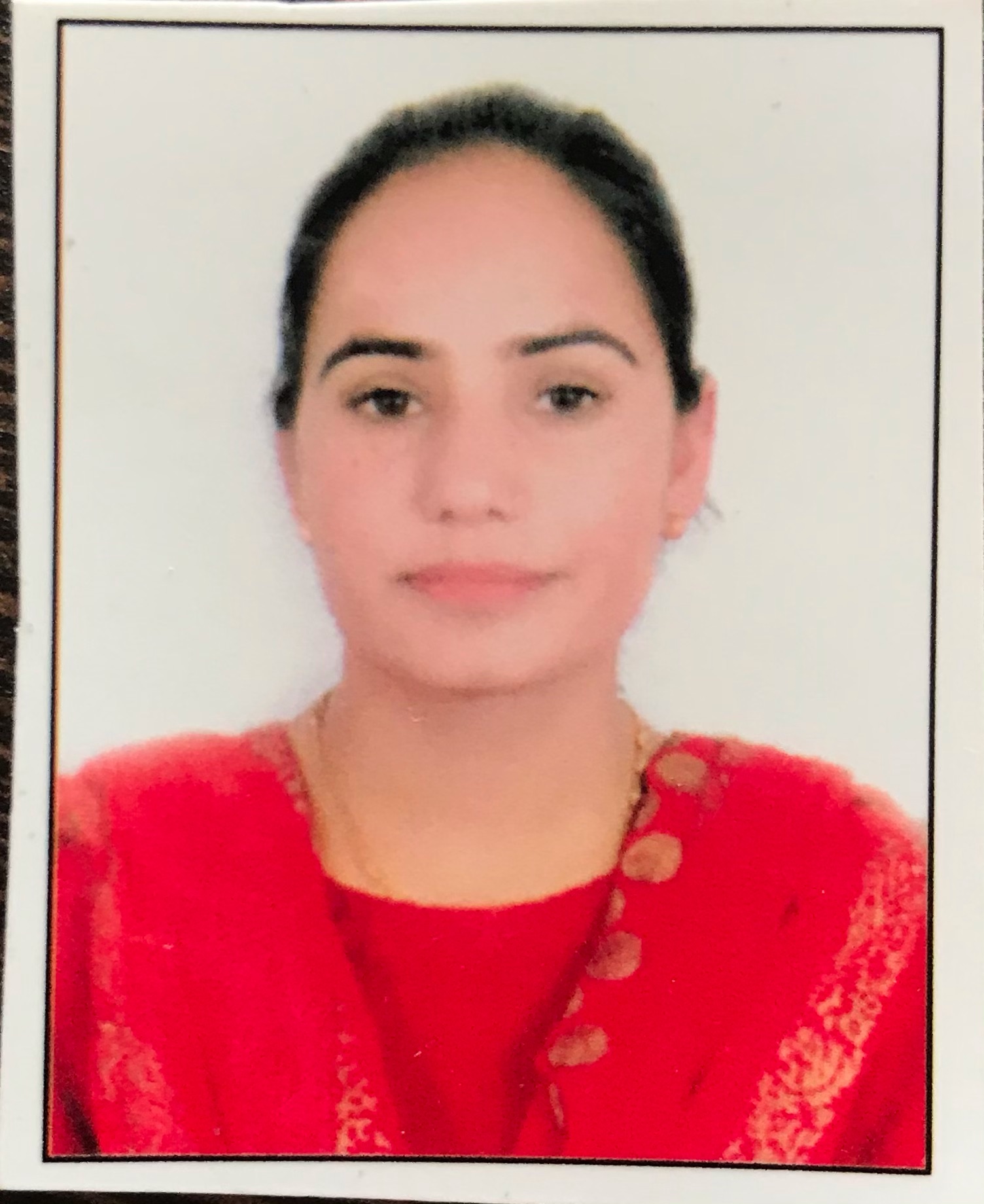
|
Dr. Ramandeep Kaur | Assistant Professor (Lecture Basis) | PhD | Big Data | ----- |
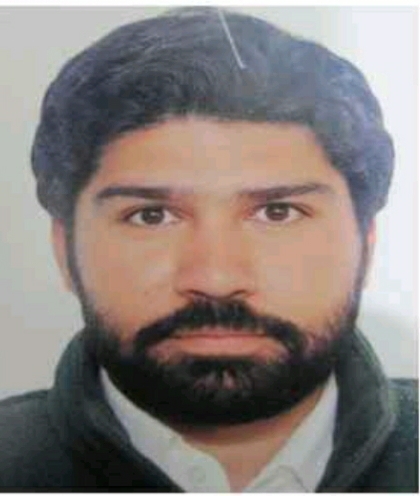
|
Sukhbir Singh | Assistant Professor (Guest Faculty) | M.Tech, Ph.D. Pursuing* | Programming Languages, Artificial Intelligence | 9316306336 |
|
Shaina | Assistant Professor (Guest Faculty) | M.Tech | Natural Language Processing | 7986883577 |
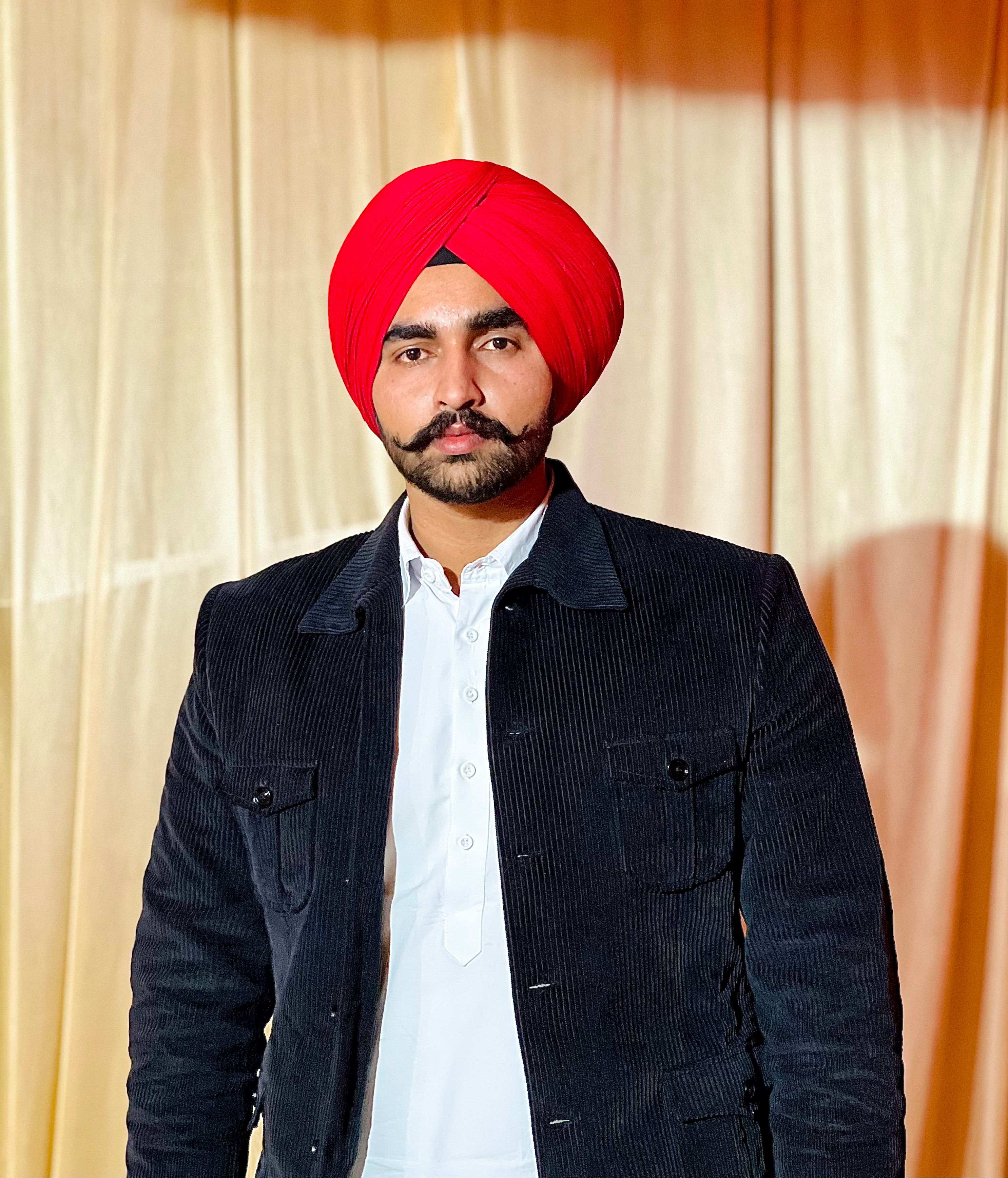
|
Sumanpreet Singh | Assistant Professor (Guest Faculty) | MCA | Web Development, Artificial Intelligence | 7087201446 |
|
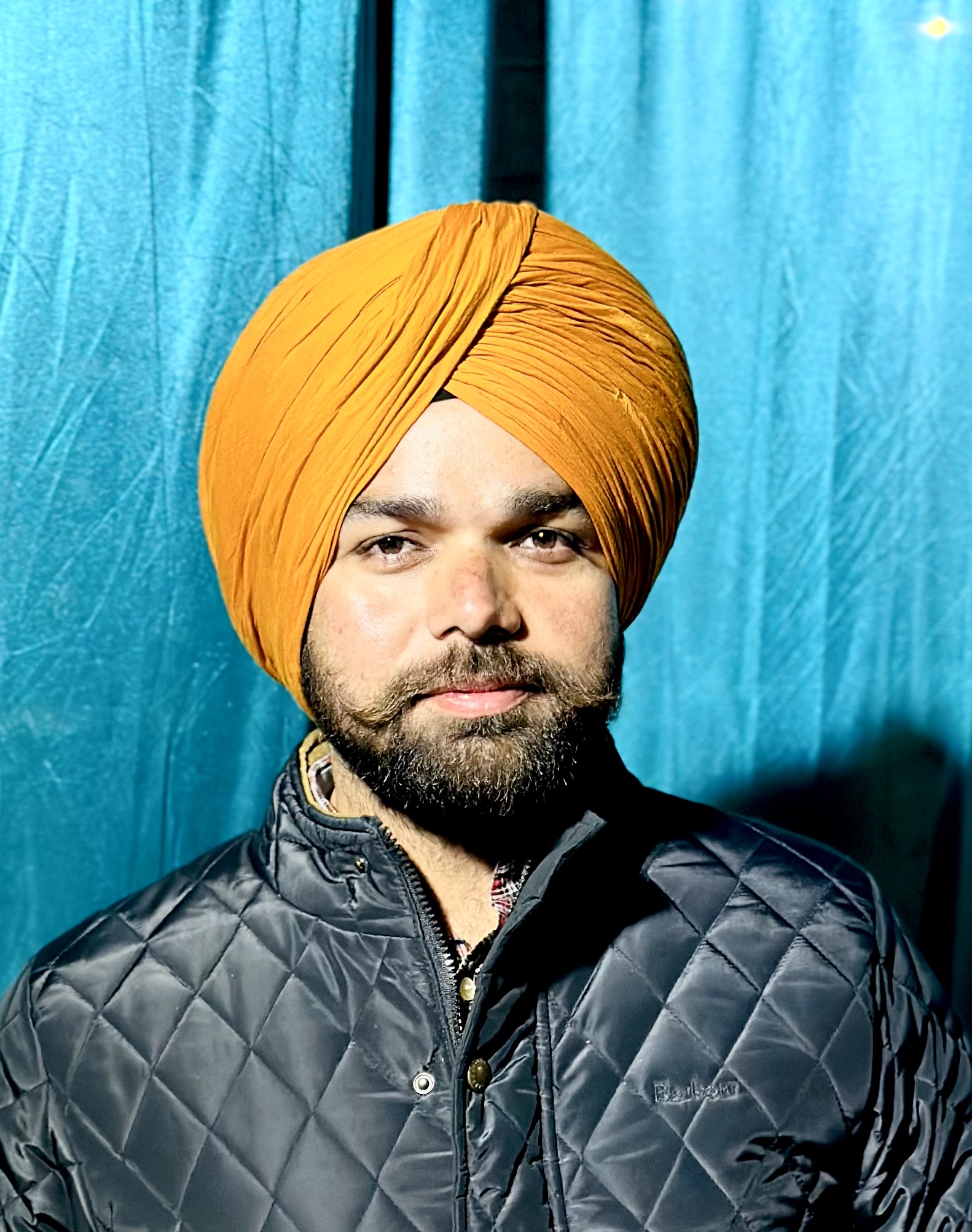
Narwair preet singh sidhu | Assistant Professor (Guest Faculty) | MCA | Data Structure, Software Engineering and InformationTechnology | 7307374591 |
|
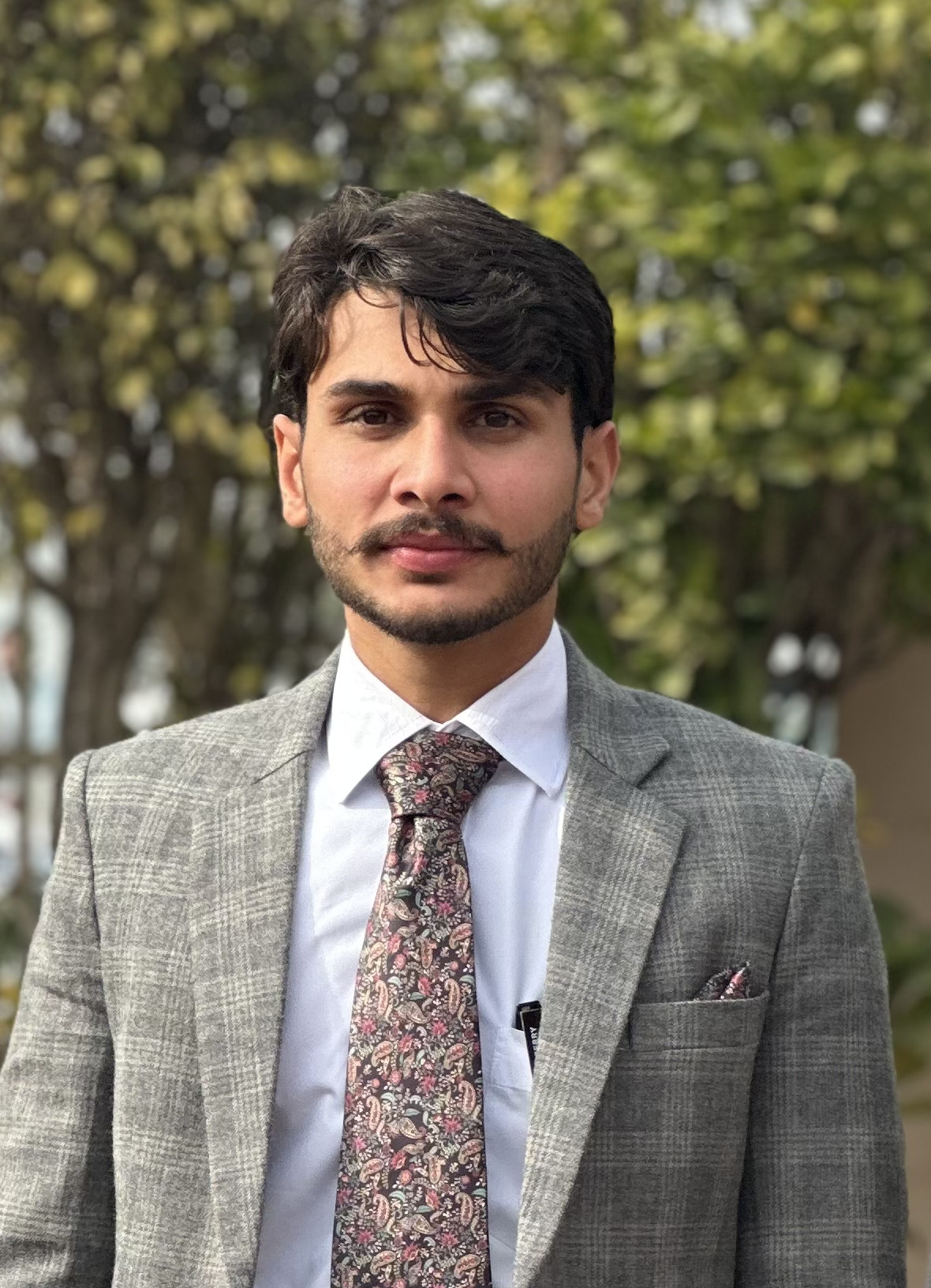
Arshdeep Gill | Assistant Professor (Guest Faculty) | MCA | InformationTechnology | 8360621382 |
|
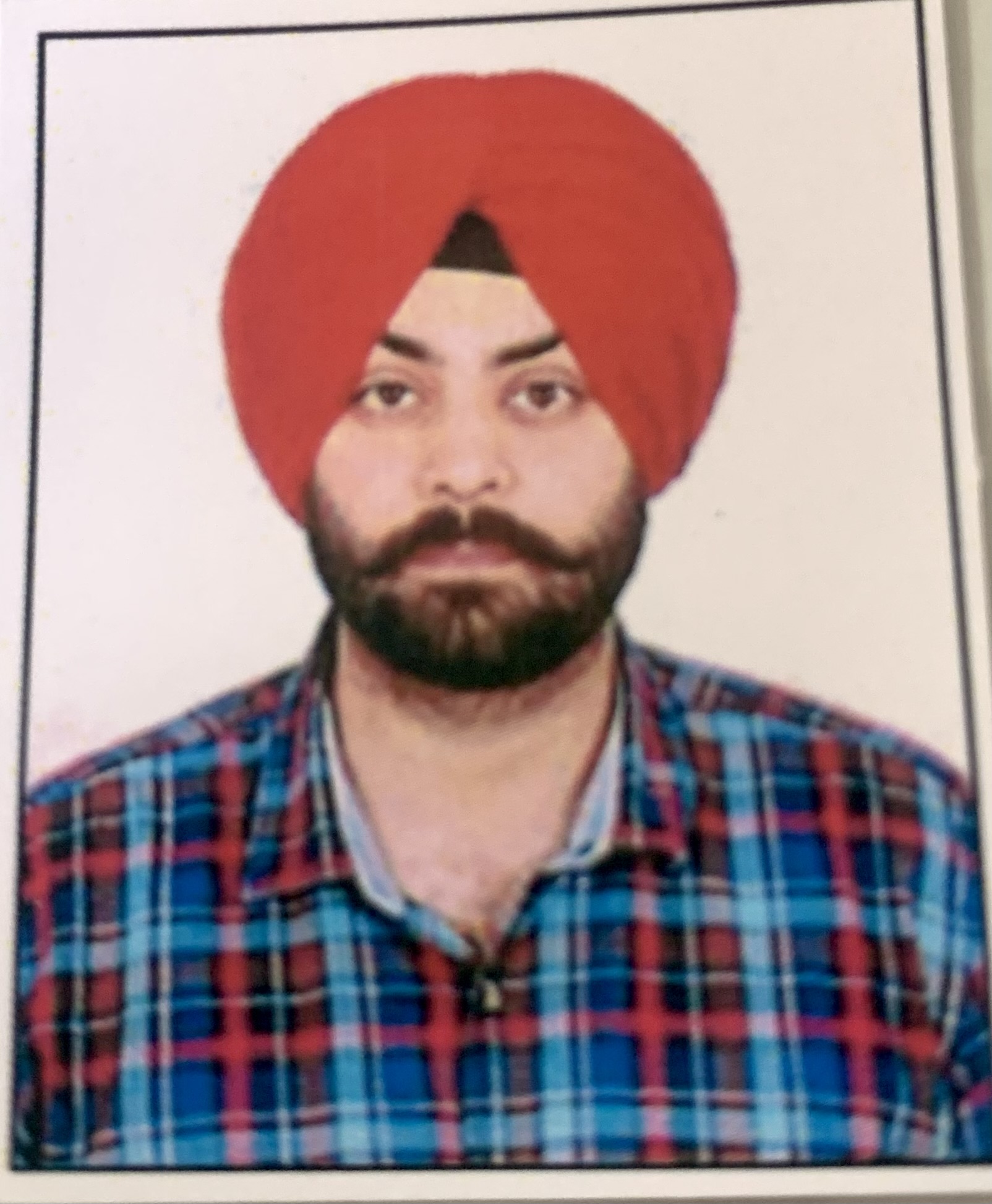
Gurjot Singh Sidhu | Assistant Professor (Guest Faculty) | M.Tech(CSE) | Computer Networks | 9815472005 |
|
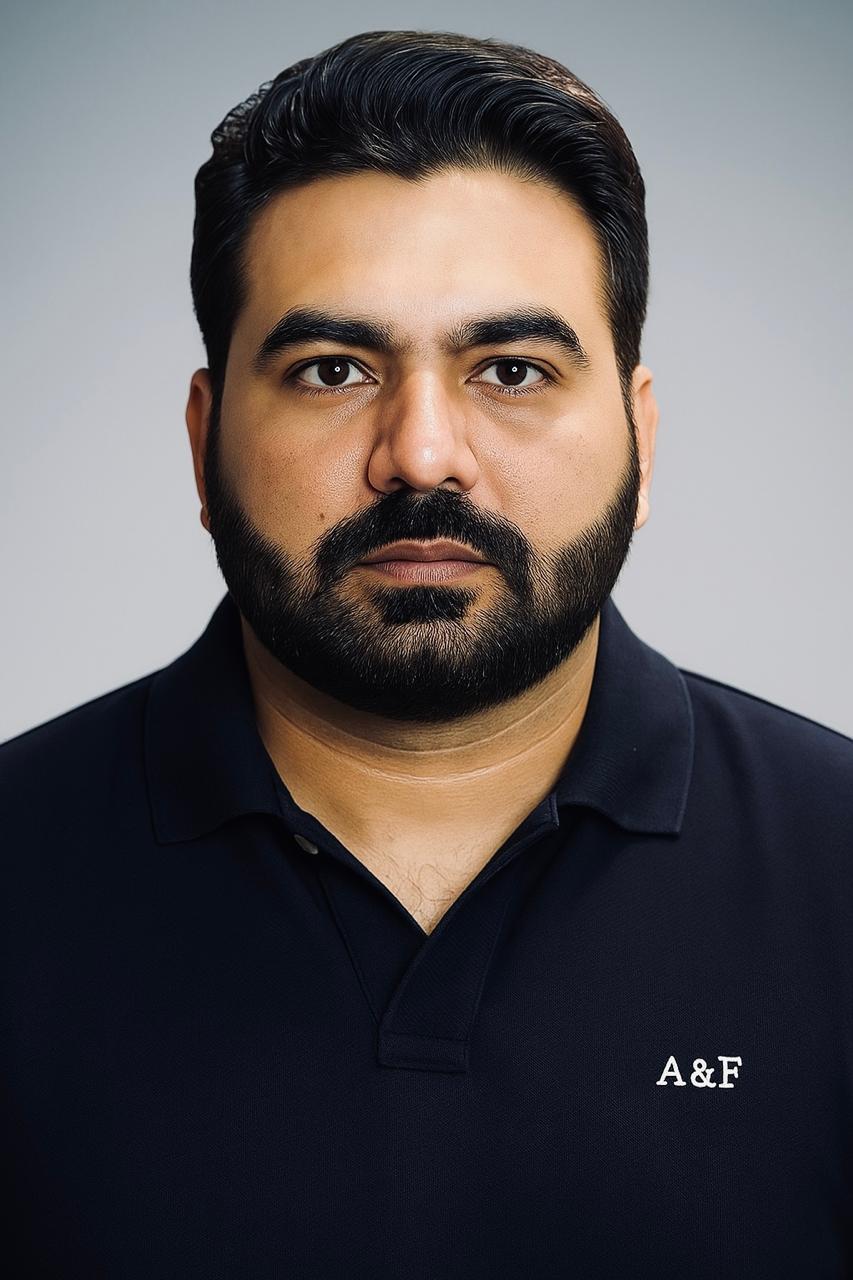
Jasdevinder Singh | Assistant Professor (Guest Faculty) | MCA | Computer Applications | 9807600009 |
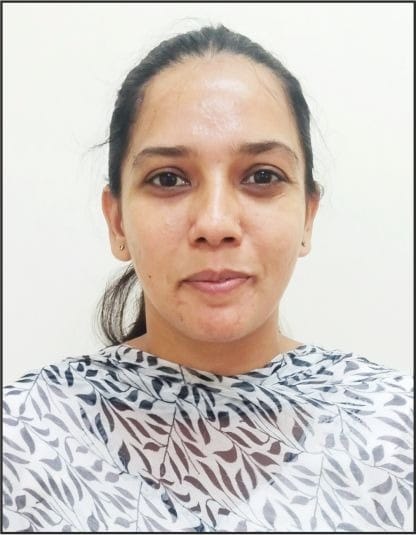
|
Manveer Kaur | Assistant Professor (Guest Faculty) | MCA | Artificial Intelligence | 6283808032 |
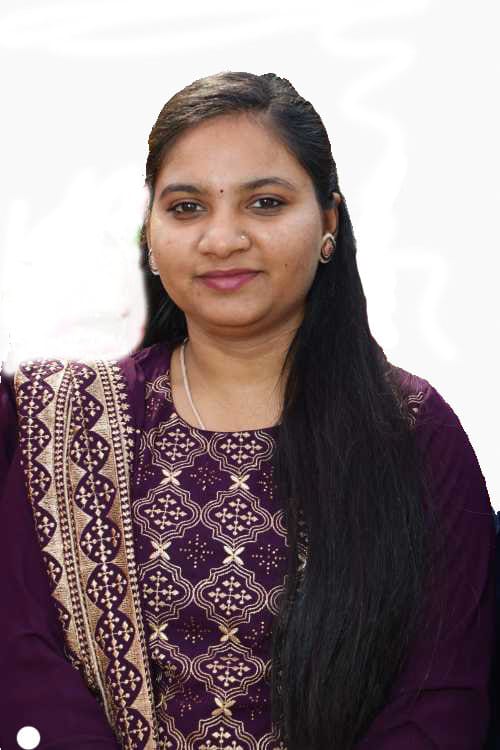
|
Amanpreet Kaur | Assistant Professor (Lecture Basis) | MCA | Data Structure and InformationTechnology | ----- |
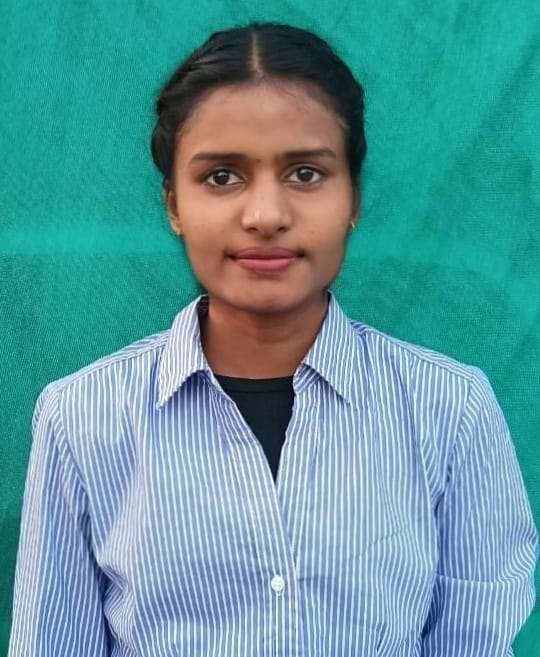
|
Sanampreet Kaur | Assistant Professor (Guest Faculty) | MCA | Data Sciences, Computer Applications | 9464219907 |
|
Jasveer Kaur | Assistant Professor (Guest Faculty) | MCA | Multimedia Applications | 9478434312 |
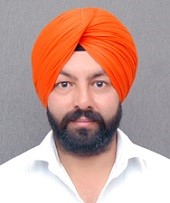
|
Dr. Gurpreet Singh | Assistant Professor (Guest Faculty) | PhD(Punjabi) | Fiction, folklore and History | 9646600666 |
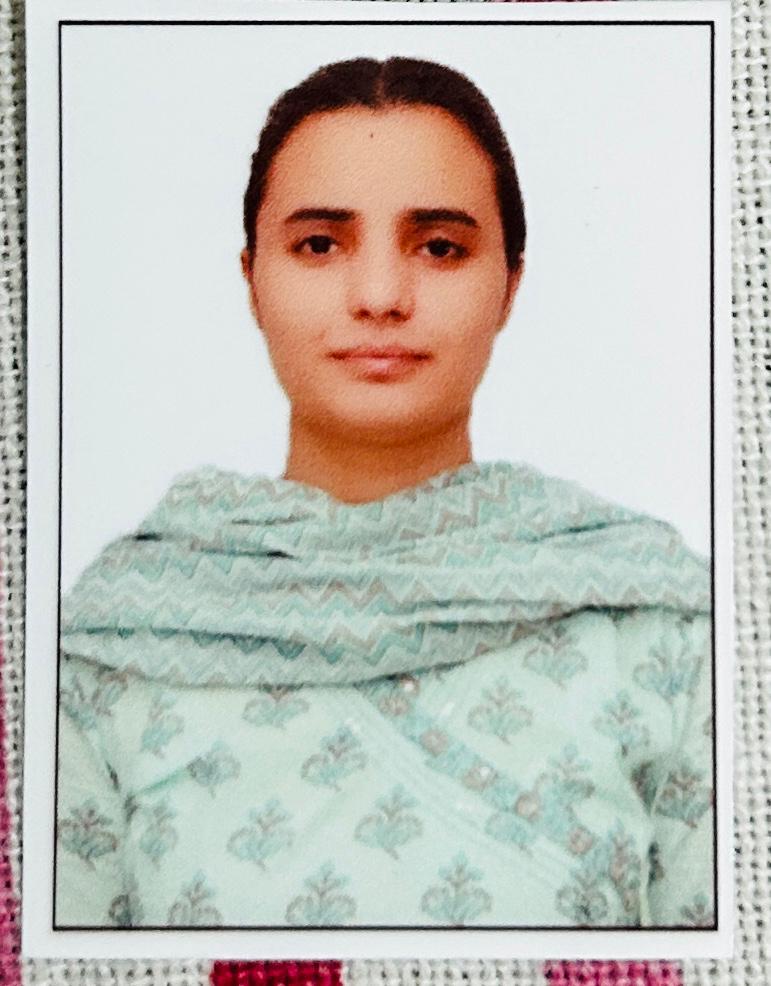
|
Hasratjot Kaur | Assistant Professor (Guest Faculty) | M.P.Ed,Ph.D Thesis submitted(Physical Education) | Public Health | 9592521520 |
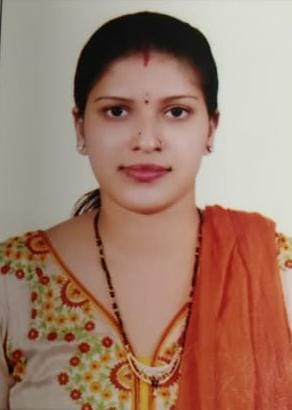
|
Manjot Rani | URF cum-Teaching Associate | MCA, PhD Pursuing* | Machine Learning, Image Processing | ---- |
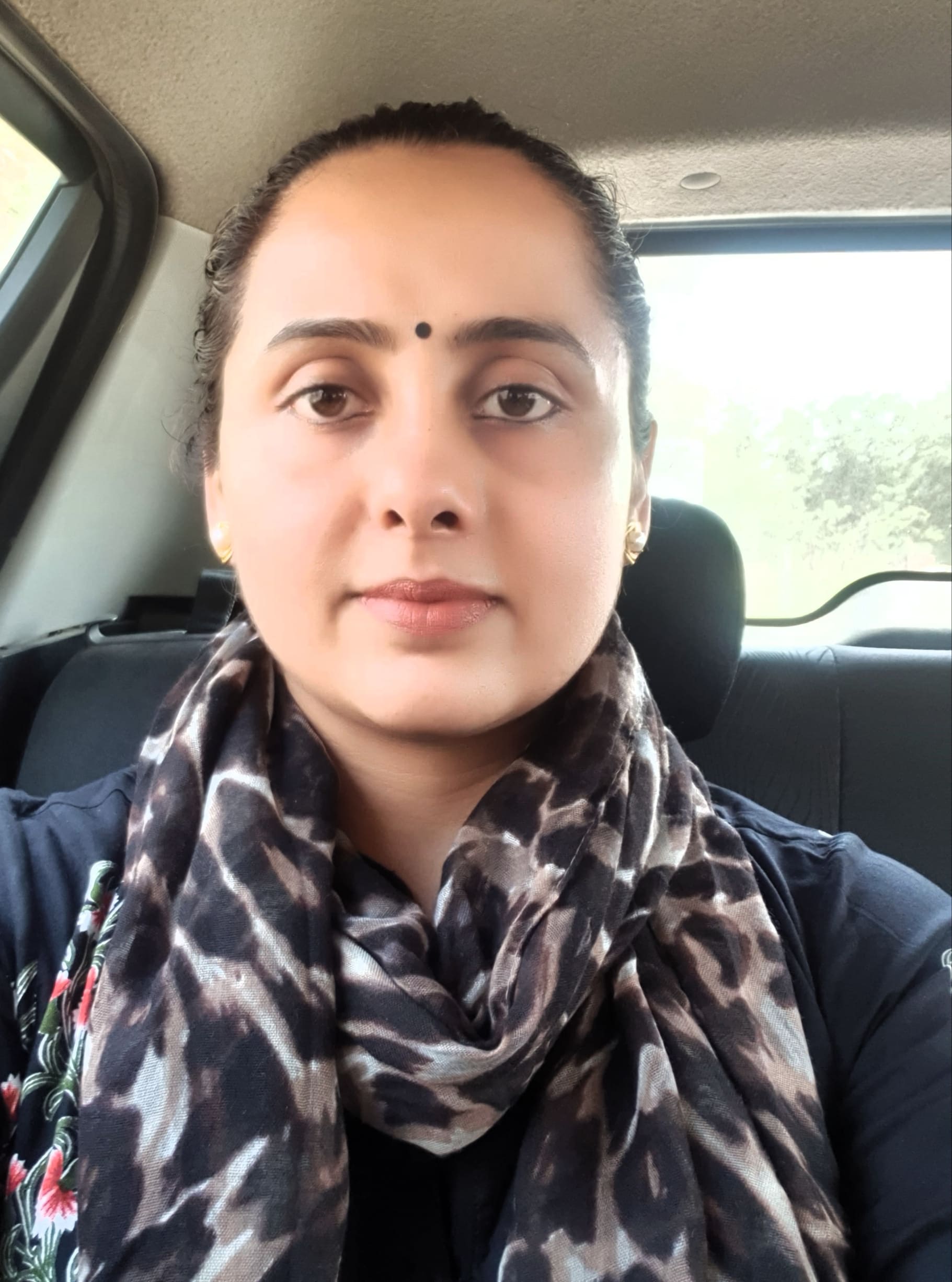
|
Manmeet Kaur | URF cum-Teaching Associate | MCA, PhD Pursuing* | Machine Learning, Image Processing | 8054341645 |
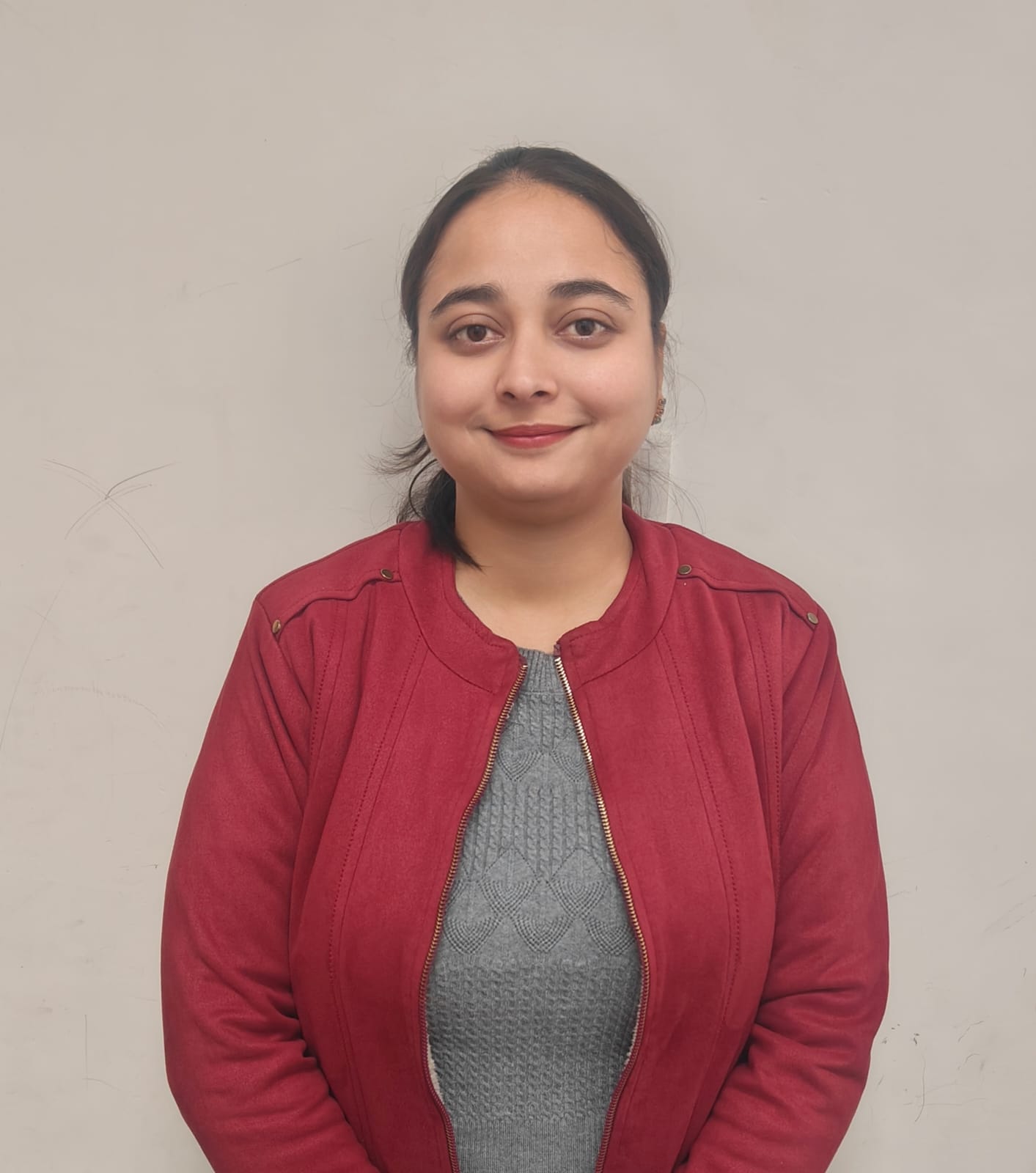
|
Riya Singhal | Assistant Professor (Guest Faculty) | MCA | Programming Languages | 9588868373 |
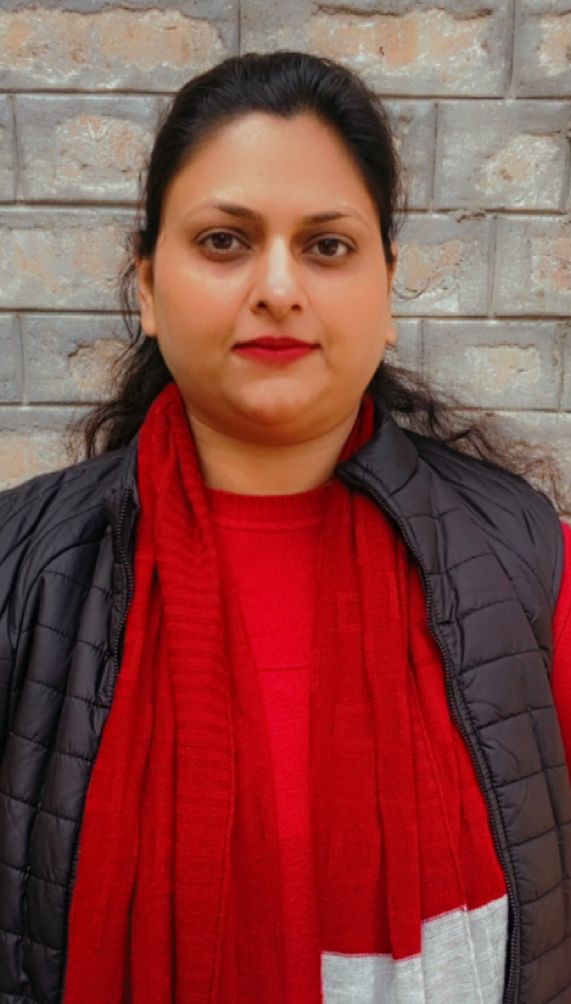
|
Sonakshi Sagar | Assistant Professor (Guest Faculty) | MCA | Programming Languages | 7087839166 |
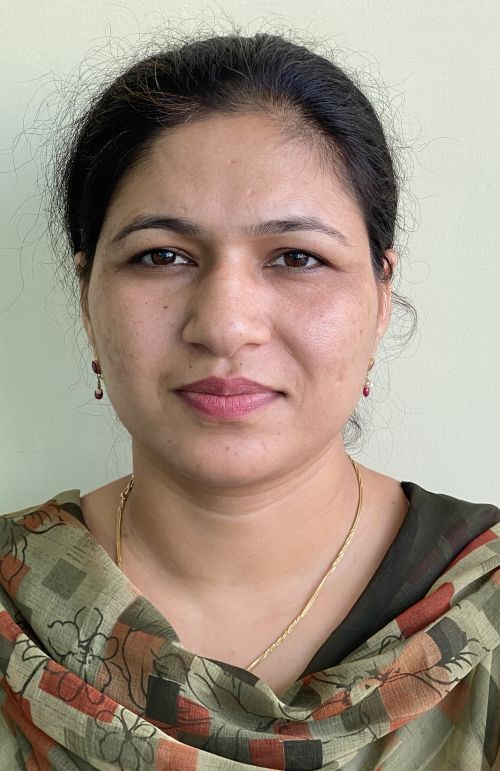
|
Manpreet Kaur | Assistant Professor (Guest Faculty) | MCA | Programming Languages | 7087046288 |
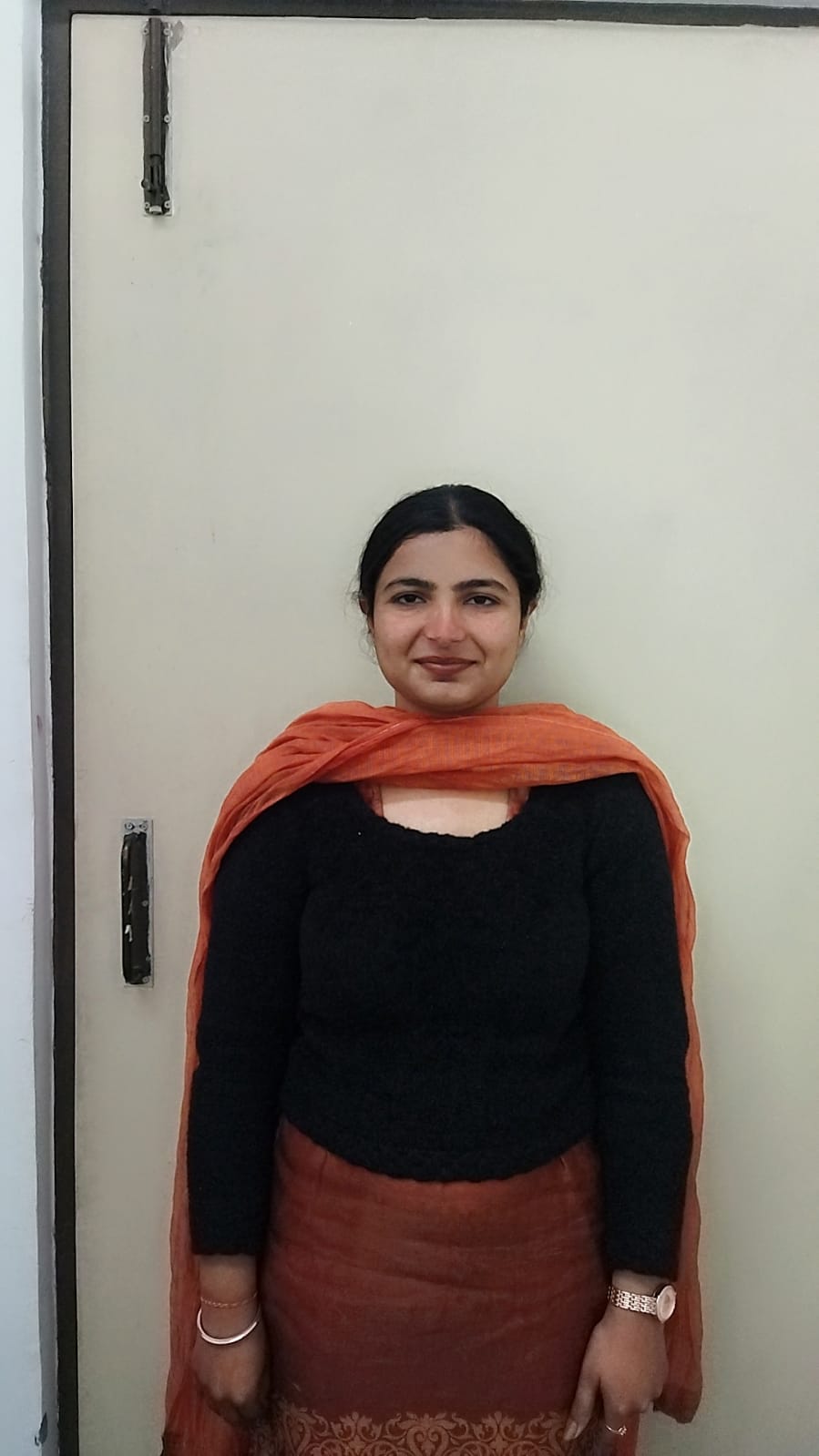
|
Kiranjeet Kaur | Assistant Professor (Guest Faculty) | MCA, UGC-NET | Programming Languages | 8360189627 |
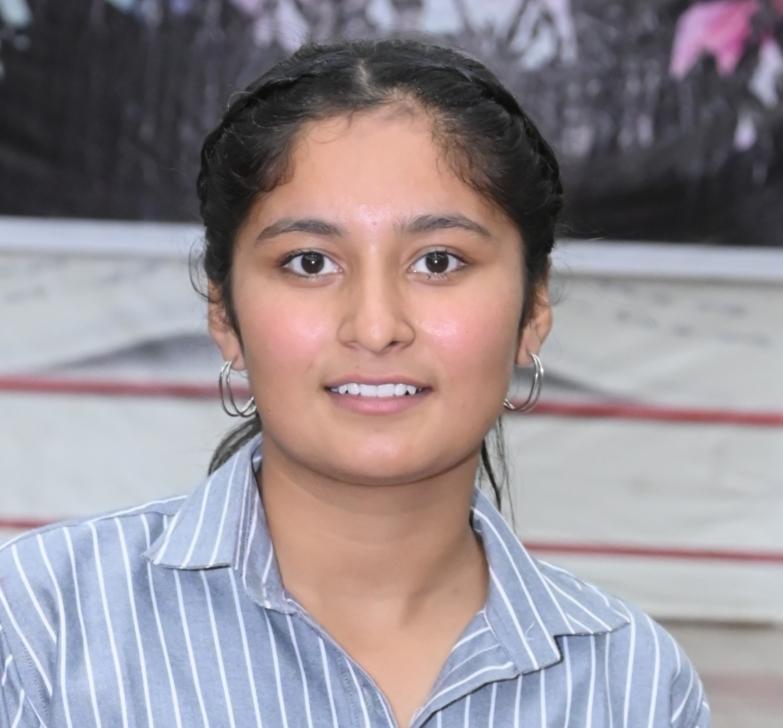
|
Deepinder Kaur | Assistant Professor (Guest Faculty) | MCA | Web development & Programming languages(C, C++ & Java) | 8699508637 |

|
Bikkramjit Singh | Assistant Professor (Guest Faculty) | MCA | Artificial Intelligence , Cyber Security, Computer Networks | 7627889411 |
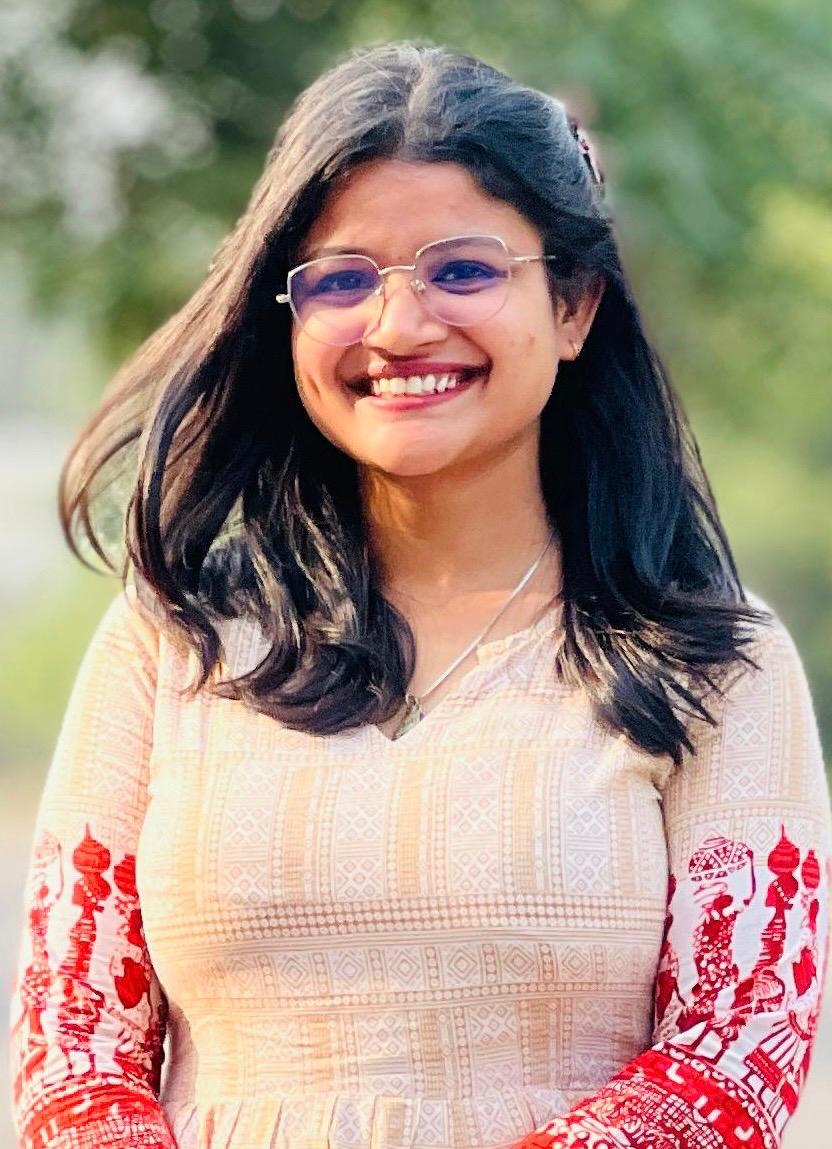
|
Jasmine | Assistant Professor (Guest Faculty) | MCA | Programming languages | 9465687665 |
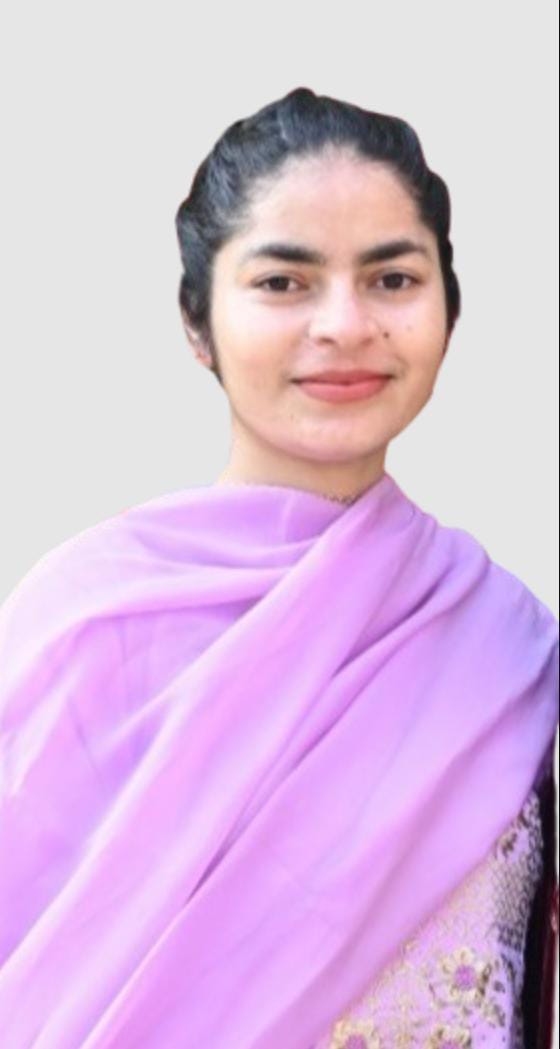
|
Gagandeep kaur | Assistant Professor (Guest Faculty) | MCA | Theory of Computation | 9872514658 |
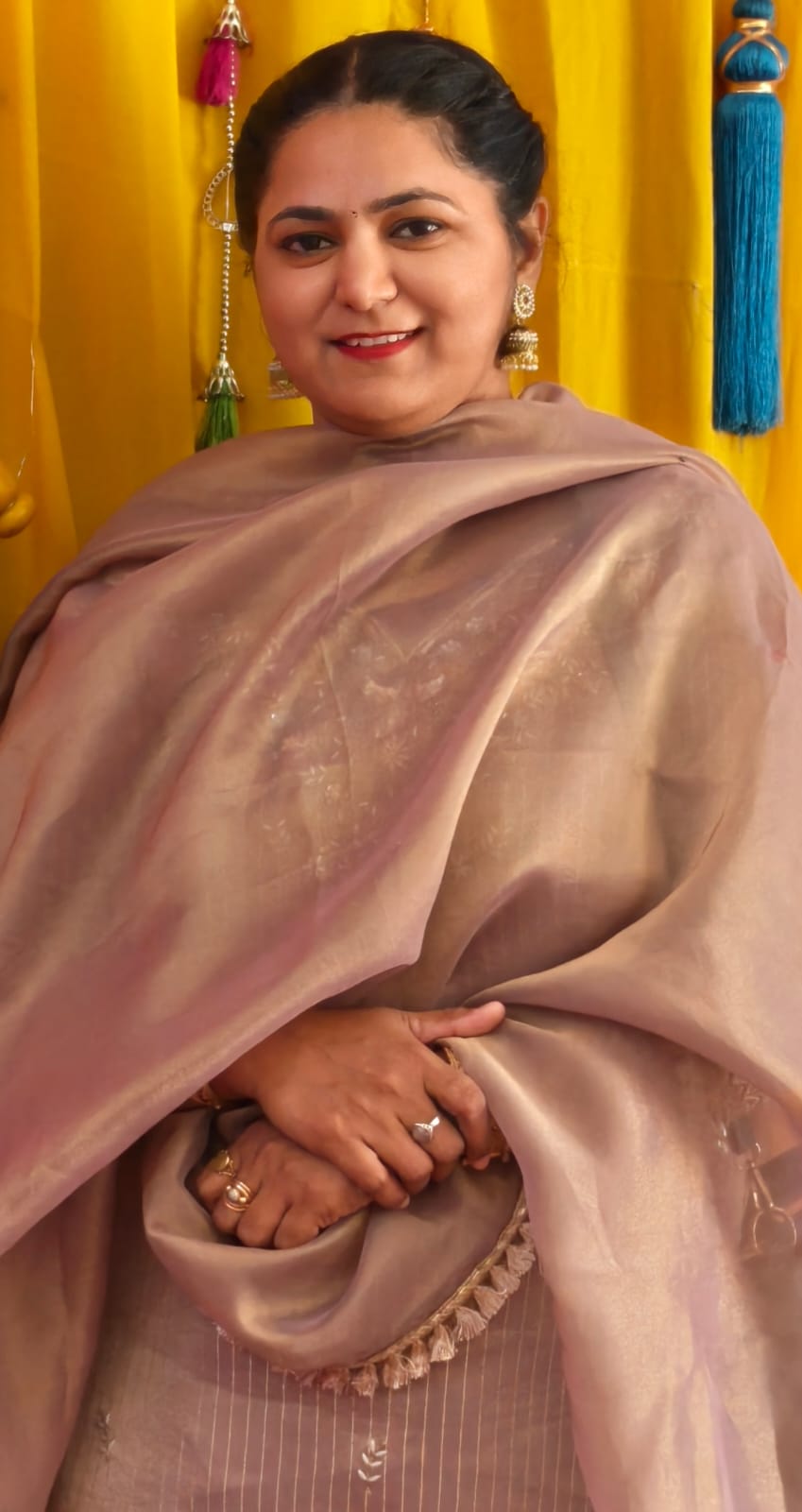
|
Ramanpreet Kaur Grewal | Assistant Professor (Guest Faculty) | M.Phil ,MCA | Operating System, System Analysis and Design | 7087413810 |
| Photograph | Name | Designation | Highest Qualification | Area of Interest/Research | Contact Details |
|---|---|---|---|---|---|
|
Sh. Sukhmander Singh | Techician Grade II | Diploma in Computer Applications | Computers | 9914690482 |
|
Sh. Balwinder Singh | Jr. Technician | ITI(Computer Applications) | Computers | 9988661404 |
|
Savjot Pal Singh | Jr. Technician | MCA, M.A., B.Ed | Computers | 8872012487 |

|
Gurwinder Singh | Lab Assistant | 12th | Computers | 9815607377 |

|
Navdeep Singh | Lab Assistant | B.A. | Computers | 9781759487 |
|
Jasmeet Singh | Peon | 12th | ------------ | 6280235969 |
| Photograph | Name | Designation | Highest Qualification | Area of Interest/Research | Contact Details |
|---|---|---|---|---|---|
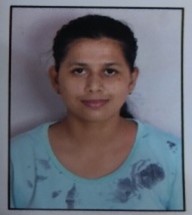
|
Harmandeep Kaur | PhD Awarded | MCA, UGC-NET | Document Analysis and Recognition | 8437333500 |
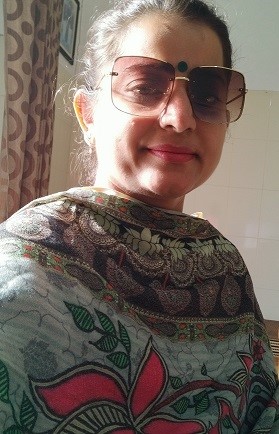
|
Shaveta Dargan | PhD Awarded | MCA, M.Phil | Handwriting Identification | 8360511806 |
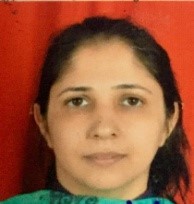
|
Jaspreet Kaur Sandhu | Thesis Submitted | M.Phil | Speech Recognition | 9646307574 |
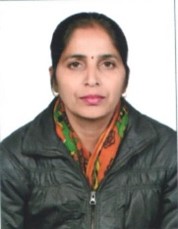
|
Geeta Kocher | PhD Awarded | MCA, M. Tech. | Network Based Intrusion Detection using Deep Learning Methods | 8059100105 |

|
Nisha Gupta | Research Scholar | MCA | Image Processing | 76963-40632 |
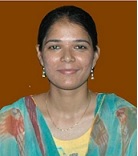
|
Sandeep Kaur Gill | Research Scholar | M.E | Optimization of Knowledge Graphs | 9871118589 |
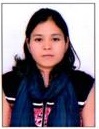
|
Veenu Rani | Thesis Submitted | MCA, UGC-NET | Machine Learning | 7696511512 |
|
|
Manjot Rani | URF cum-Teaching Associate | MCA | Machine Learning, Image Processing | ---- |
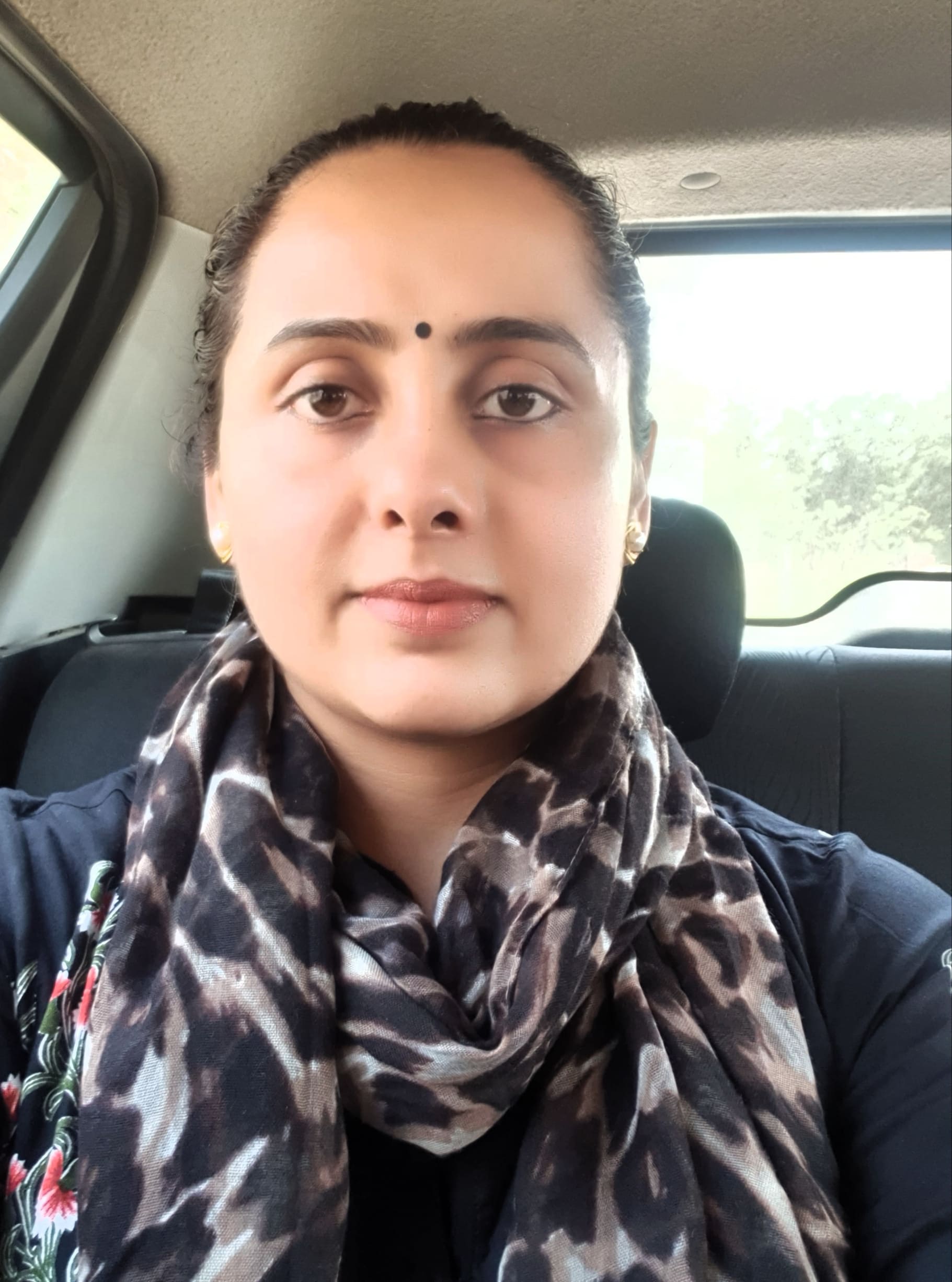
|
Manmeet Kaur | URF cum-Teaching Associate | MCA | Machine Learning, Image Processing | ---- |
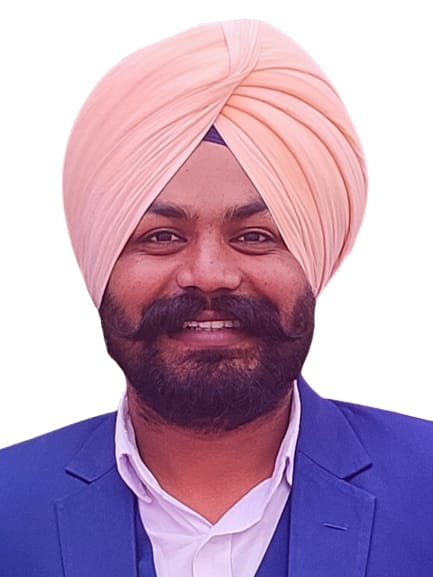
|
Jasdeep Singh | Research Scholar | M. Tech. | Quantum Machine Learning | 8059653577 |
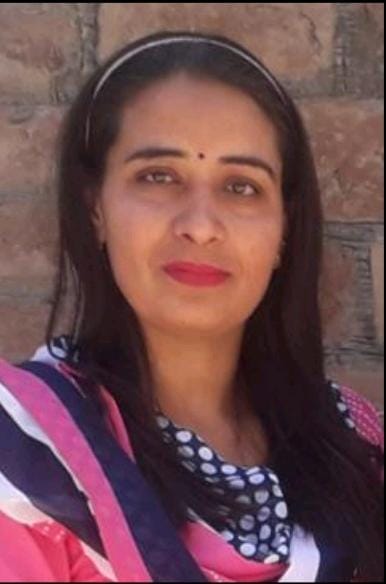
|
Amandeep Kaur | Research Scholar | MCA, UGC-NET | Machine Learning, IoT | ---- |
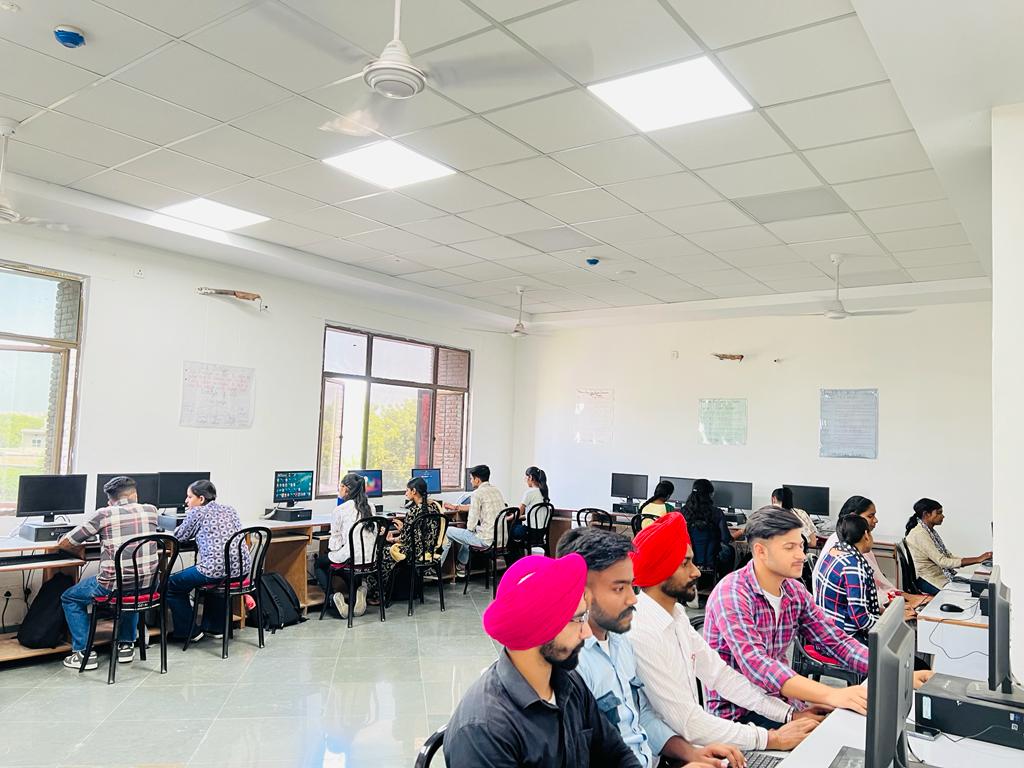
Lab Number: D233
Lab Technician: Mr. Balwinder Singh & Mr. Shavjotpal Singh
Faculty Incharge: Dr. Munish Kumar & Mr. Arshdeep Singh
Computational Sciences lab is one of the most significant labs of the department. The lab is totally wifi-enabled, well-furnished.Here, students are imparted practical skills on Microsoft Office, programming languages like C, C++, JAVA, PYTHON; operating systems such as LINUX and Android.
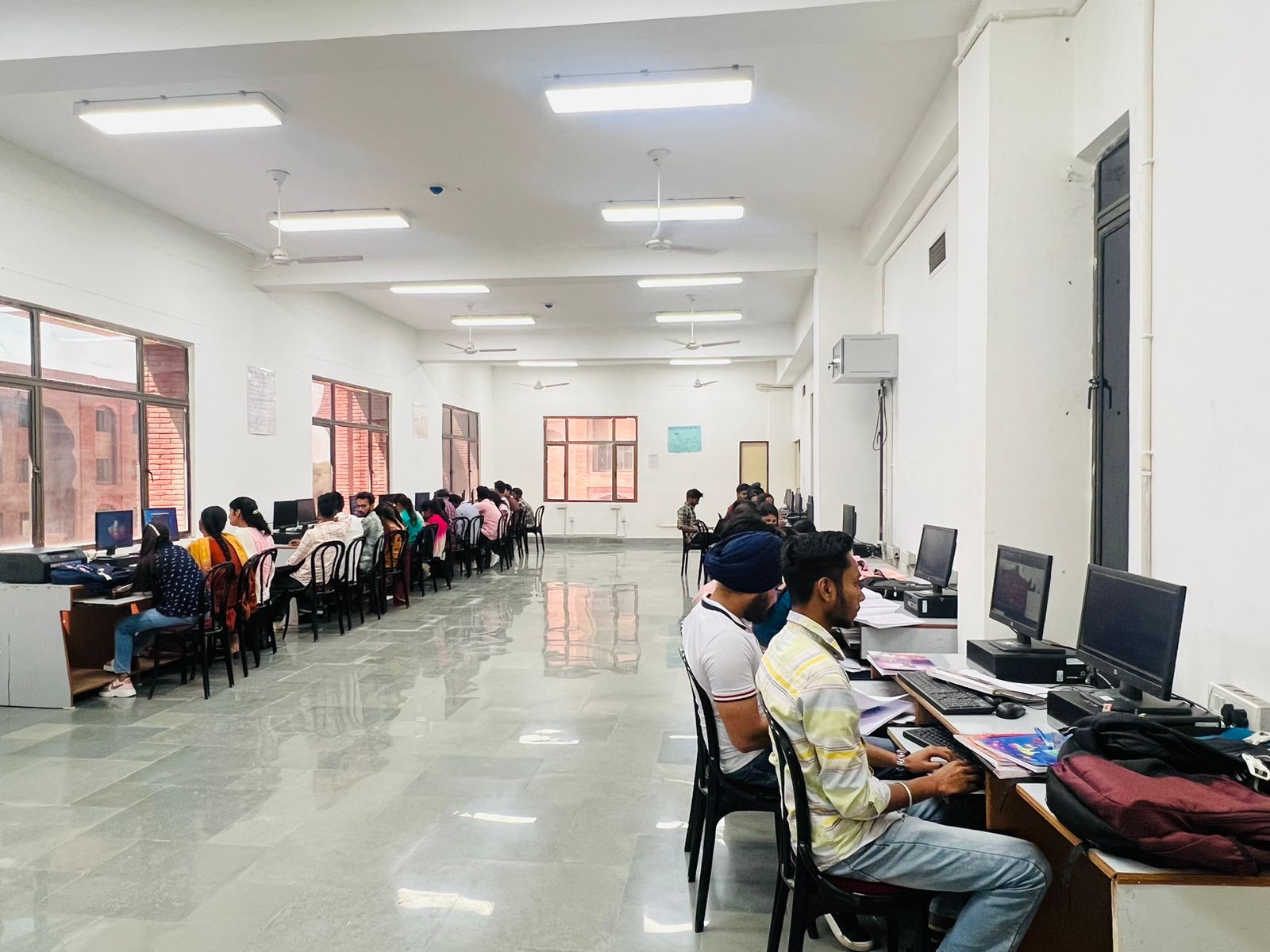
Lab Number: D230
Lab Technician: Mr. Sukhmander Singh & Mr. Shavjotpal Singh
Faculty Incharge: Dr. Munish Jindal & Mr. Jasdevinder Singh
Computational Sciences lab is one of the most significant labs of the department. The lab is totally wifi-enabled, well-furnished.Here, students are imparted practical skills on Microsoft Office, programming languages like C, C++, JAVA, PYTHON; operating systems such as LINUX and Android.
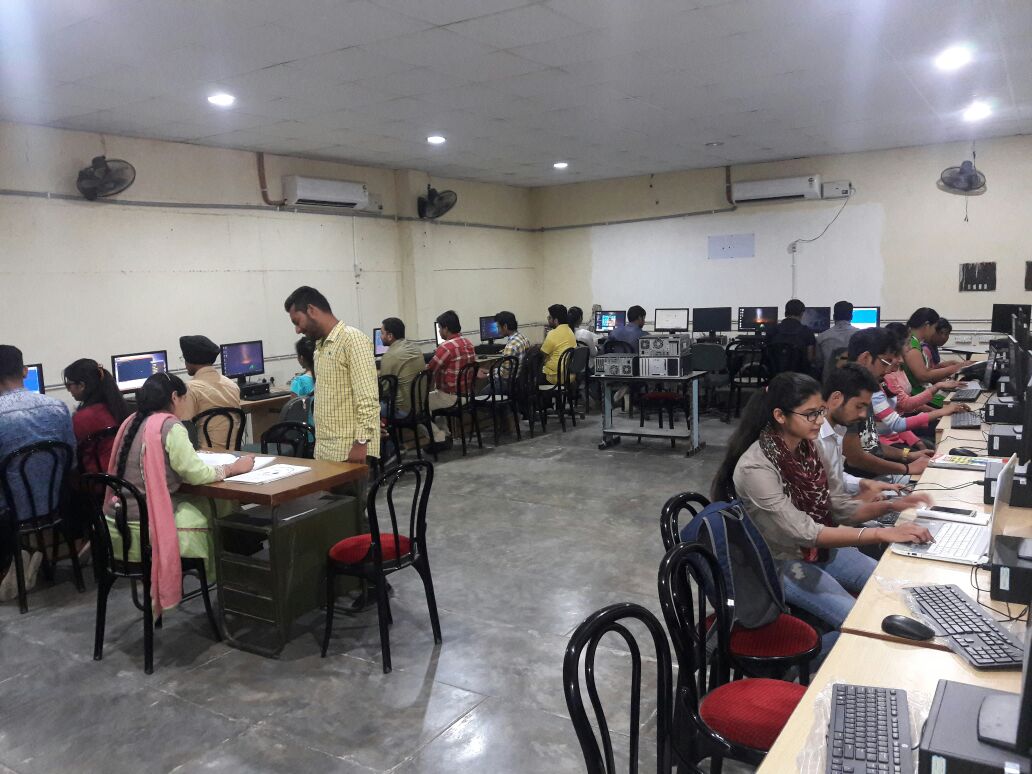
Lab Number: C0001
Lab Technician: Sh. Sukhmander Singh, Sh. Balwinder Singh
Faculty Incharge: Dr. Munish Kumar
Computational Sciences lab is one of the most significant labs of the department. The lab is totally wifi-enabled, well-furnished, and is currently home to around 70 computer systems upgraded with the latest technology. Here, students are imparted practical skills on Microsoft Office, programming languages like C, C++, JAVA, PYTHON; operating systems such as LINUX and Android.
| Sr. No. | Batch | Course | Name | Company/Department Name |
| 1 | 2012-13 | MCA | Amandeep Sahota | Revenue Patwari |
| 2 | 2012-13 | MCA | Sukhcharan Singh | DC Office, Bathinda |
| 3 | 2012-13 | MCA | Priya | DC Office, Bathinda |
| 4 | 2012-13 | MCA | Rajdeep | DC Office, Bathinda |
| 5 | 2013-14 | MCA | Sunil | Clerk Ayurvedic Department, Mansa |
| 6 | 2013-14 | MCA | Anmol | Clerk MRSPTU, Bathinda |
| 7 | 2013-14 | MCA | Tejinder Kaur | PO, Bank of India |
| 8 | 2013-14 | MCA | Mankush | WIPRO Software Engineers |
| 9 | 2013-14 | MCA | Parshant | Software Company, Gaziabad |
| 10 | 2013-14 | MCA | Madhu | Lecturer SD College, Barnala |
| 11 | 2013-14 | MCA | Shweta | Lecturer College, Mansa |
| 12 | 2013-14 | MCA | Priyanka | Lecturer College, Mansa |
| 13 | 2013-14 | MCA | Nakshdeep | Call Centre International, Chandigarh |
| 14 | 2013-14 | MCA | Sonakshi | Teacher, Millenium School, Bathinda |
| 15 | 2014-15 | MCA | Gagandeep | Lecturer Aklia College |
| 16 | 2014-15 | MCA | Ramandeep | Lecturer, Rajashthan University |
| 17 | 2014-15 | MCA | Karam | English Speaking Institute, Bathinda |
| 18 | 2014-15 | MCA | Amandeep Jassal | Senior Supervisor, Grey Matters |
| 19 | 2014-15 | MCA | Arjun | Verka Plant, Bathinda |
| 20 | 2015-16 | MCA | Ramyash | WIPRO Software Engineers |
| 22 | 2015-16 | MCA | Alisha Gupta | PiSoft, Mohali |
| 23 | 2019-21 | MCA | Asif Khan | MRSPTU,Bathinda |
| Sr. No. | Batch | Name | Company/Department Name |
| 1 | 2012-13 | Amandeep Sahota | Revenue Patwari |
| 2 | 2012-13 | Sukhcharan Singh | DC Office, Bathinda |
| 3 | 2012-13 | Priya | DC Office, Bathinda |
| 4 | 2012-13 | Rajdeep | DC Office, Bathinda |
| 5 | 2013-14 | Sunil | Clerk Ayurvedic Department, Mansa |
| 6 | 2013-14 | Anmol | Clerk MRSPTU, Bathinda |
| 7 | 2013-14 | Tejinder Kaur | PO, Bank of India |
| 8 | 2013-14 | Mankush | WIPRO Software Engineers |
| 9 | 2013-14 | Parshant | Software Company, Gaziabad |
| 10 | 2013-14 | Madhu | Lecturer SD College, Barnala |
| 11 | 2013-14 | Shweta | Lecturer College, Mansa |
| 12 | 2013-14 | Priyanka | Lecturer College, Mansa |
| 13 | 2013-14 | Nakshdeep | Call Centre International, Chandigarh |
| 14 | 2013-14 | Sonakshi | Teacher, Millenium School, Bathinda |
| 15 | 2014-15 | Gagandeep | Lecturer Aklia College |
| 16 | 2014-15 | Ramandeep | Lecturer, Rajashthan University |
| 17 | 2014-15 | Karam | English Speaking Institute, Bathinda |
| 18 | 2014-15 | Amandeep Jassal | Senior Supervisor, Grey Matters |
| 19 | 2014-15 | Arjun | Verka Plant, Bathinda |
| 20 | 2015-16 | Ramyash | WIPRO Software Engineers |
| 21 | 2015-16 | Alisha Gupta | PiSoft, Mohali |
| 22 | 2016-17 | Rajwant Kaur | PIT Nandgarh |
| 23 | 2017-18 | Gurnoor singh | olympus personnel |
| 24 | 2017-18 | naveen kumar | Million kart private limited |
| 25 | 2020-22 | Isha Garg | Bebo technologies |
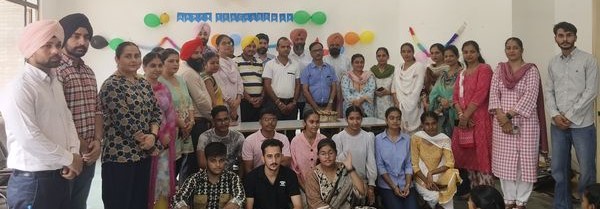
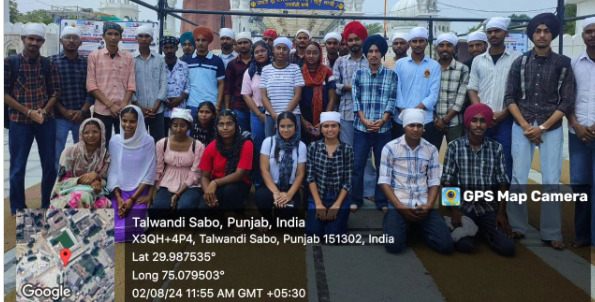
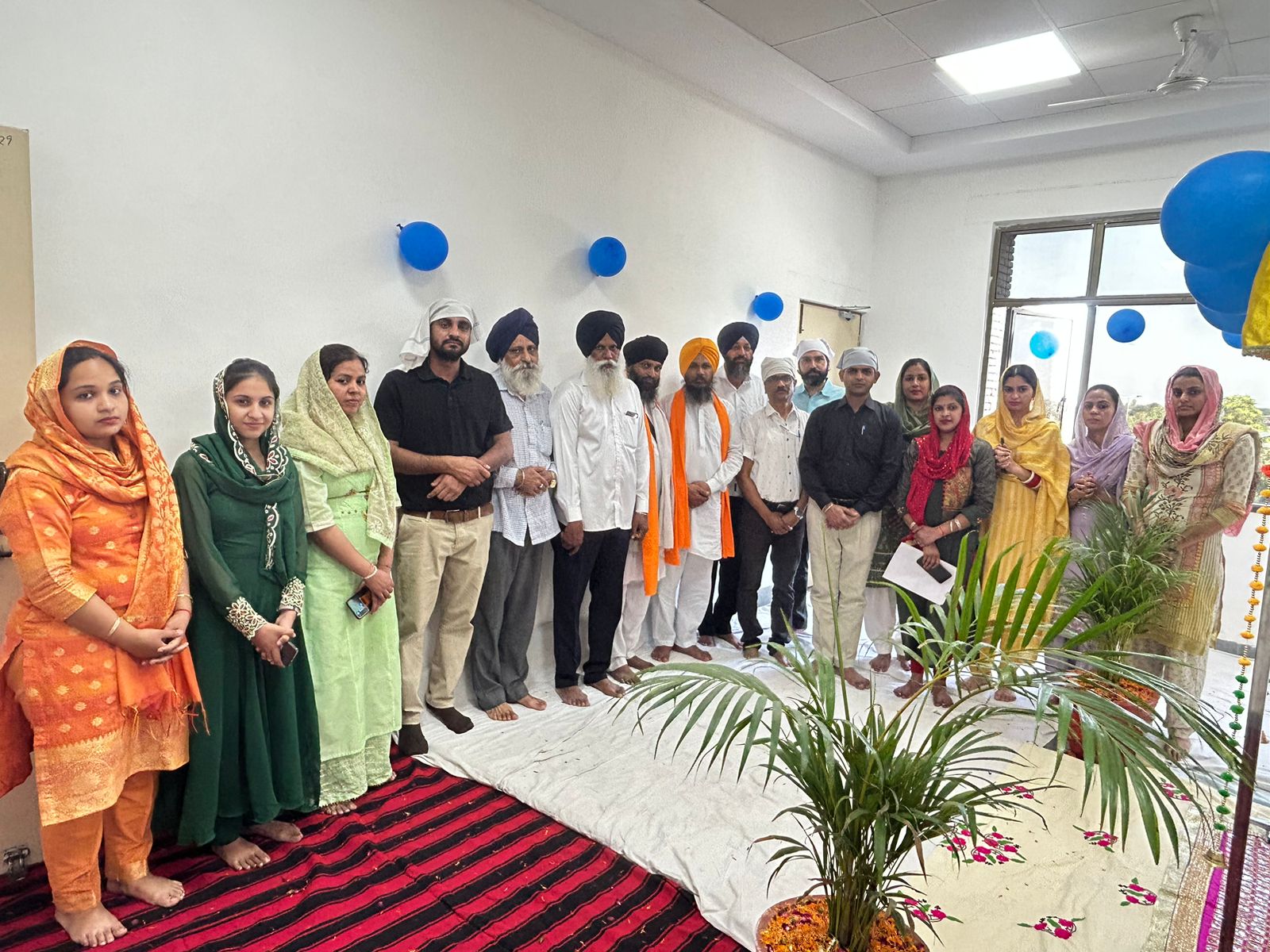
Students of BA (Computer Science), BCA, and BSc Graphics and Web Designing Batch 2024 at the Department of Computational Sciences, MRSPTU Bathinda, enjoyed a one-day trip to Talwandi Sabo (Gurdwara Sahib).
.jpeg)
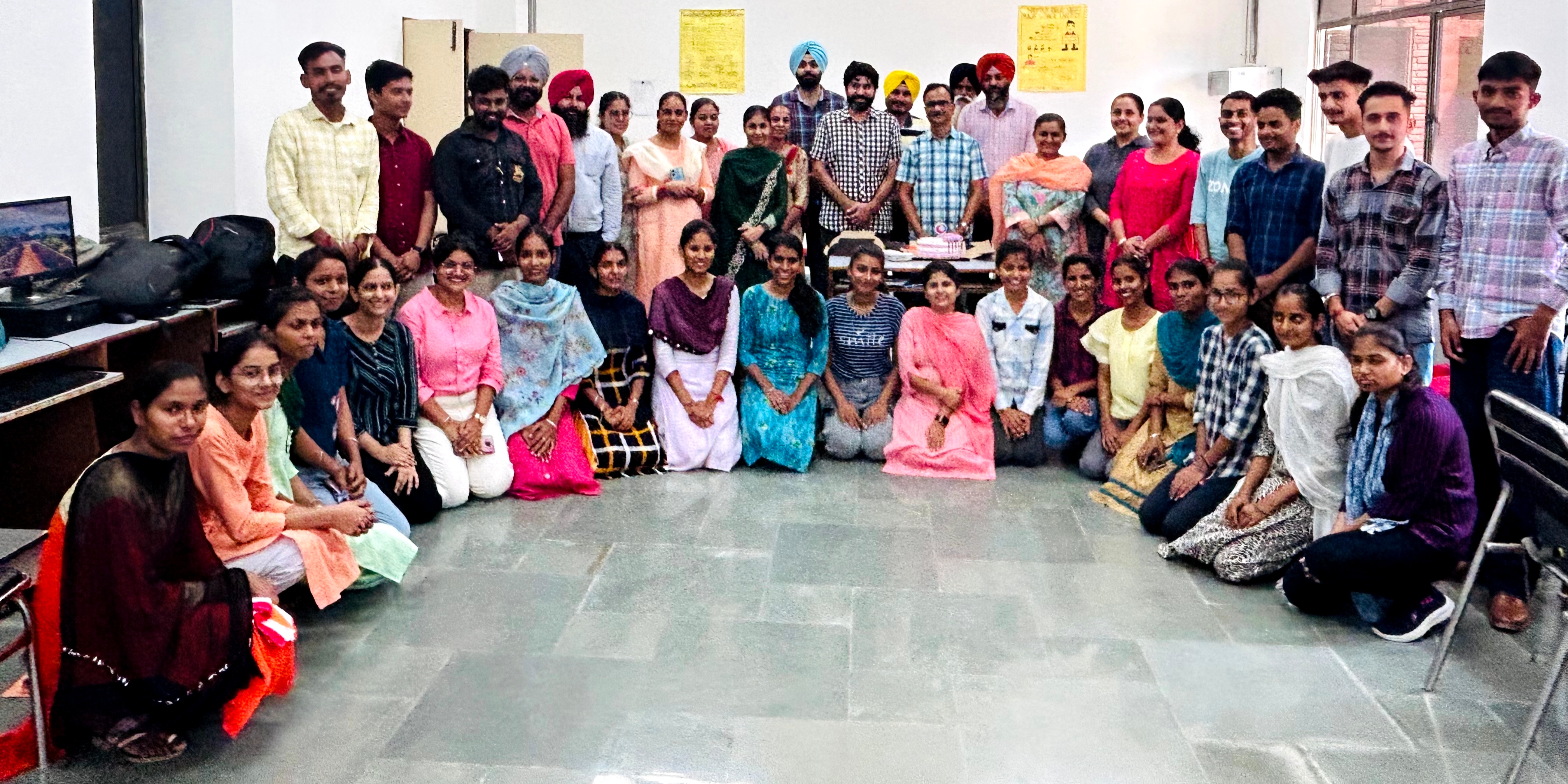
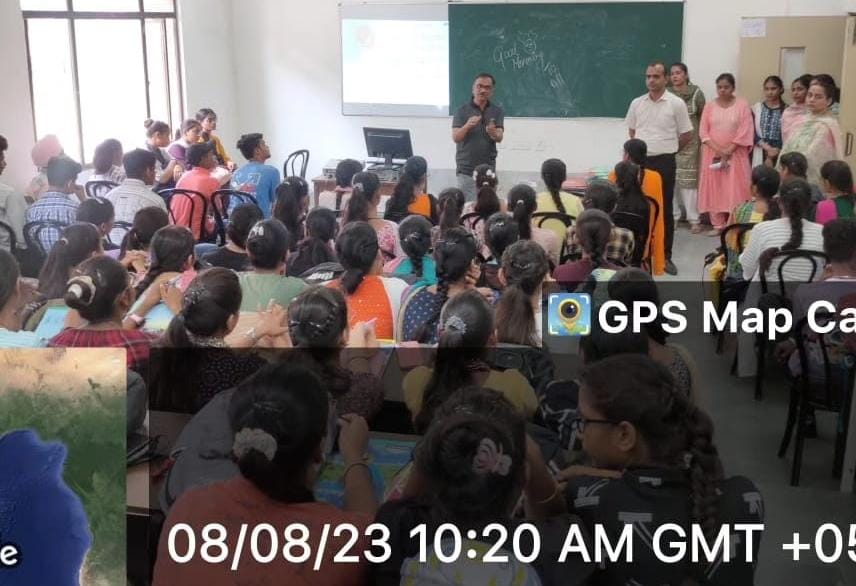
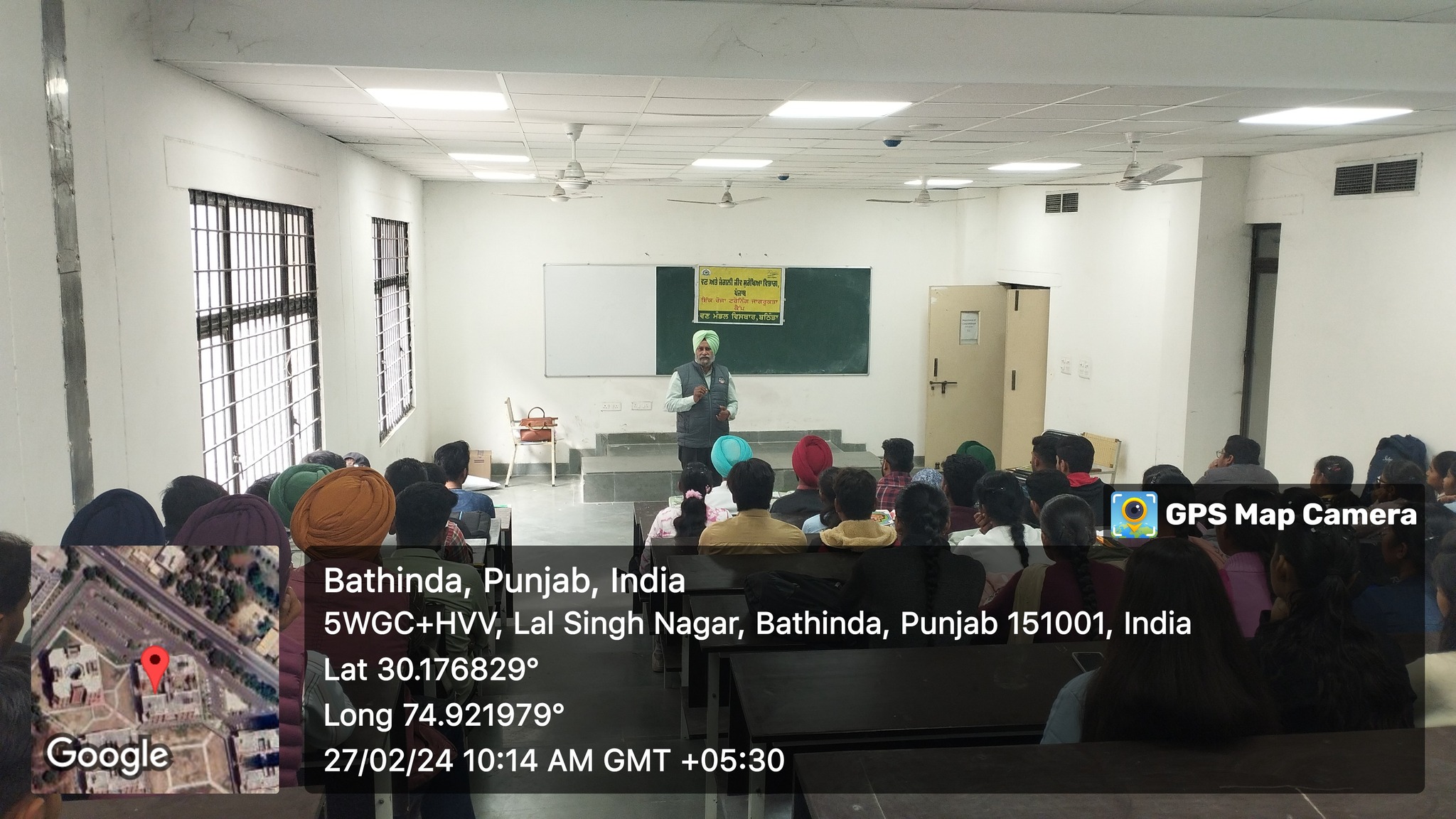
Department of Computational Sciences, MRSPTU (Bathinda) hosted a remarkable Student Induction Programme for Batch 2023.
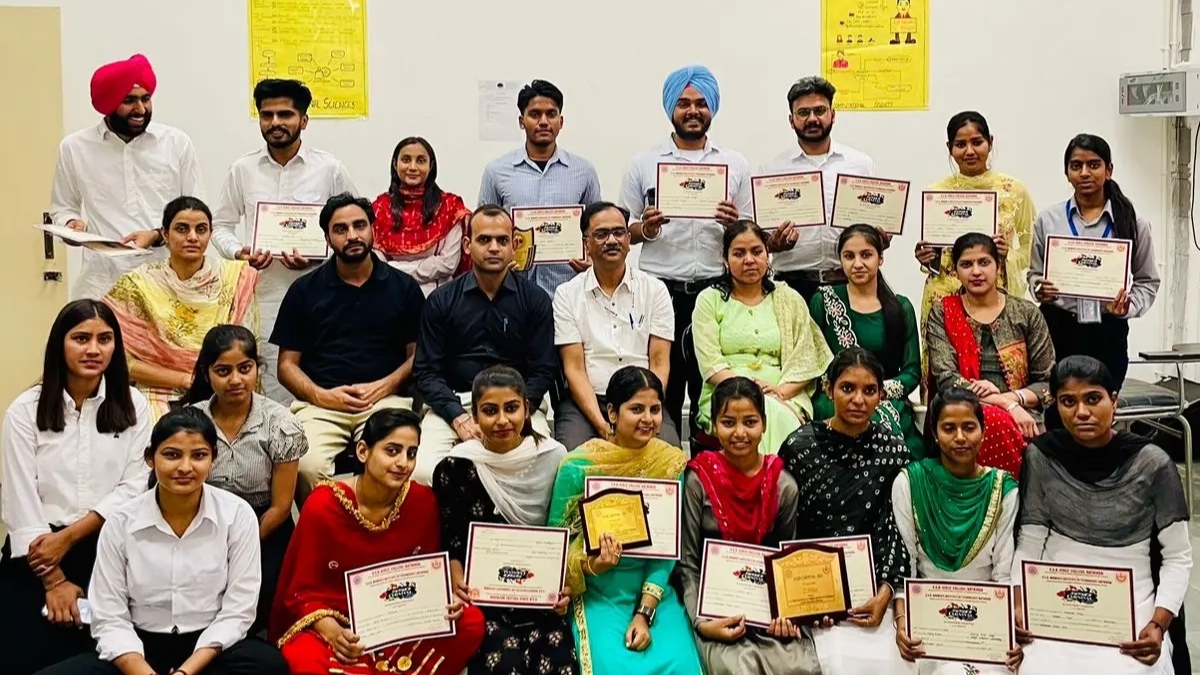
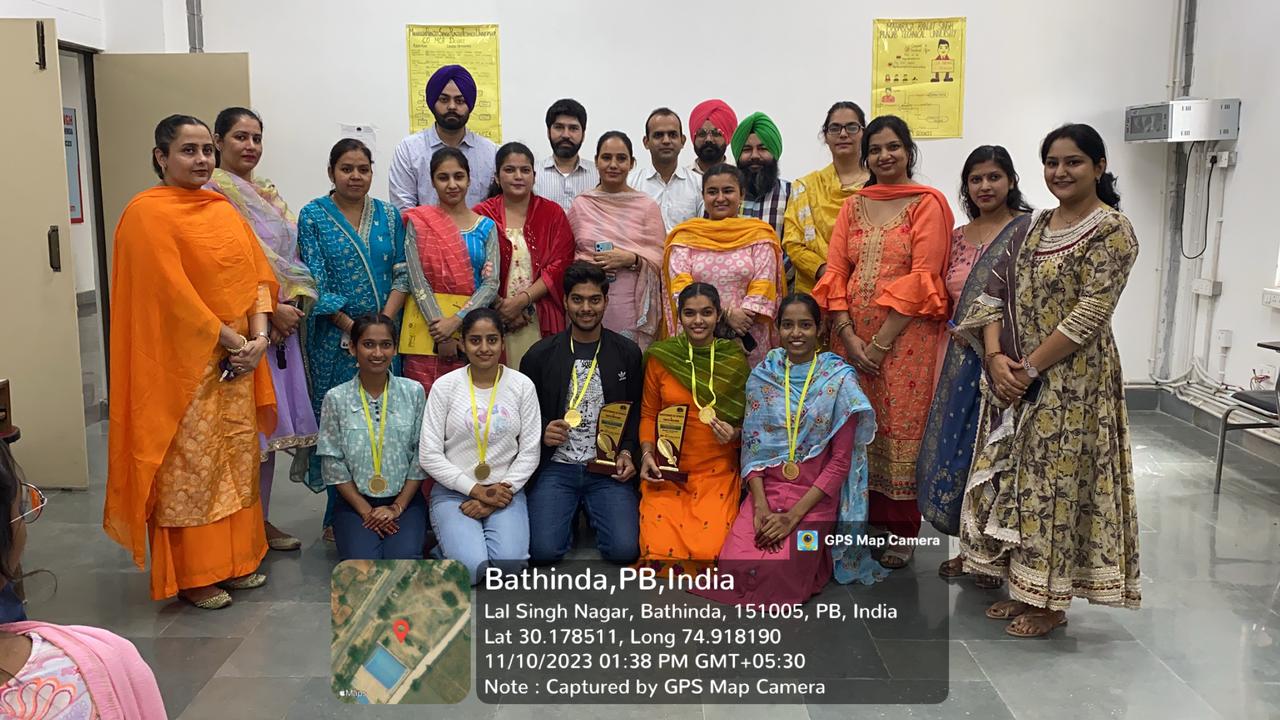
Students of Computational Sciences Department, MRSPTU(Bathinda) , have participated in SSD Carnival, an inter college competition, and got total 10 positions in various activities of the event
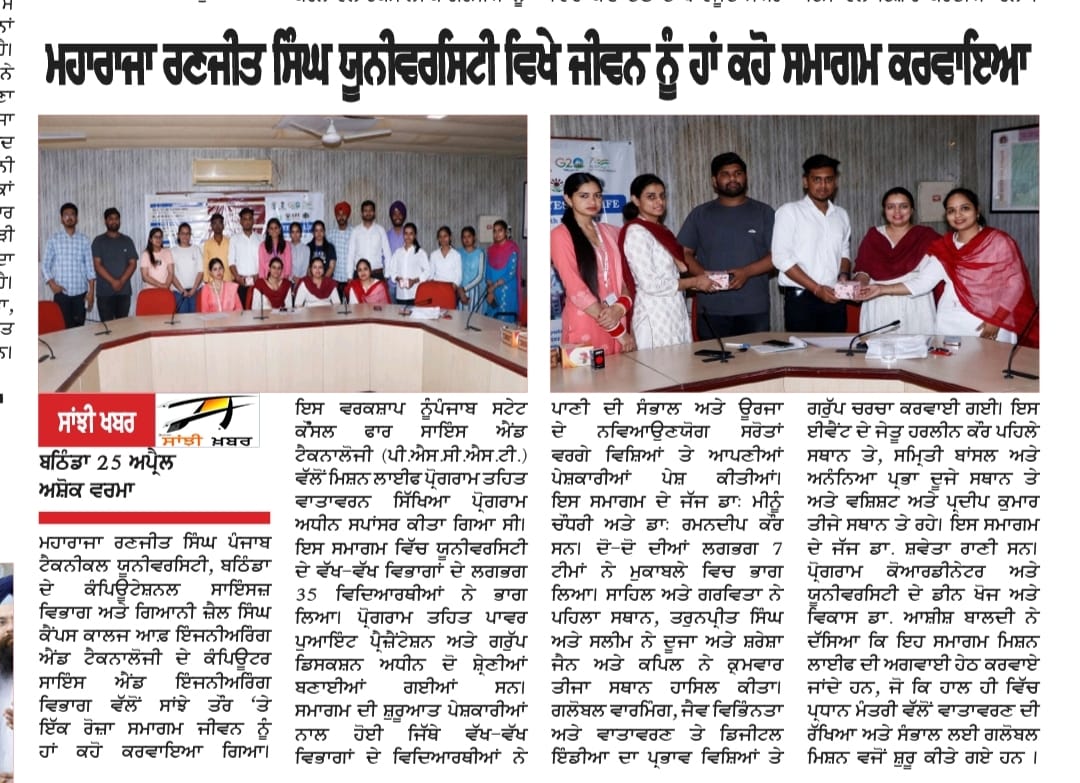
The Department of Computational Sciences of Maharaja Ranjit Singh Punjab Technical University, Bathinda and Department of Computer Sciences and Engineering of Giani Zail Singh Campus College of Engineering and Technology, MRSPTU, Bathinda organized a day time event “SAY YES TO LIFE” on March 29, which concluded at Committee Room, GZSCET.
The event was sponsored by Punjab State Council for Science and Technology for Environment Education Program under Mission LiFE, Govt. of India.
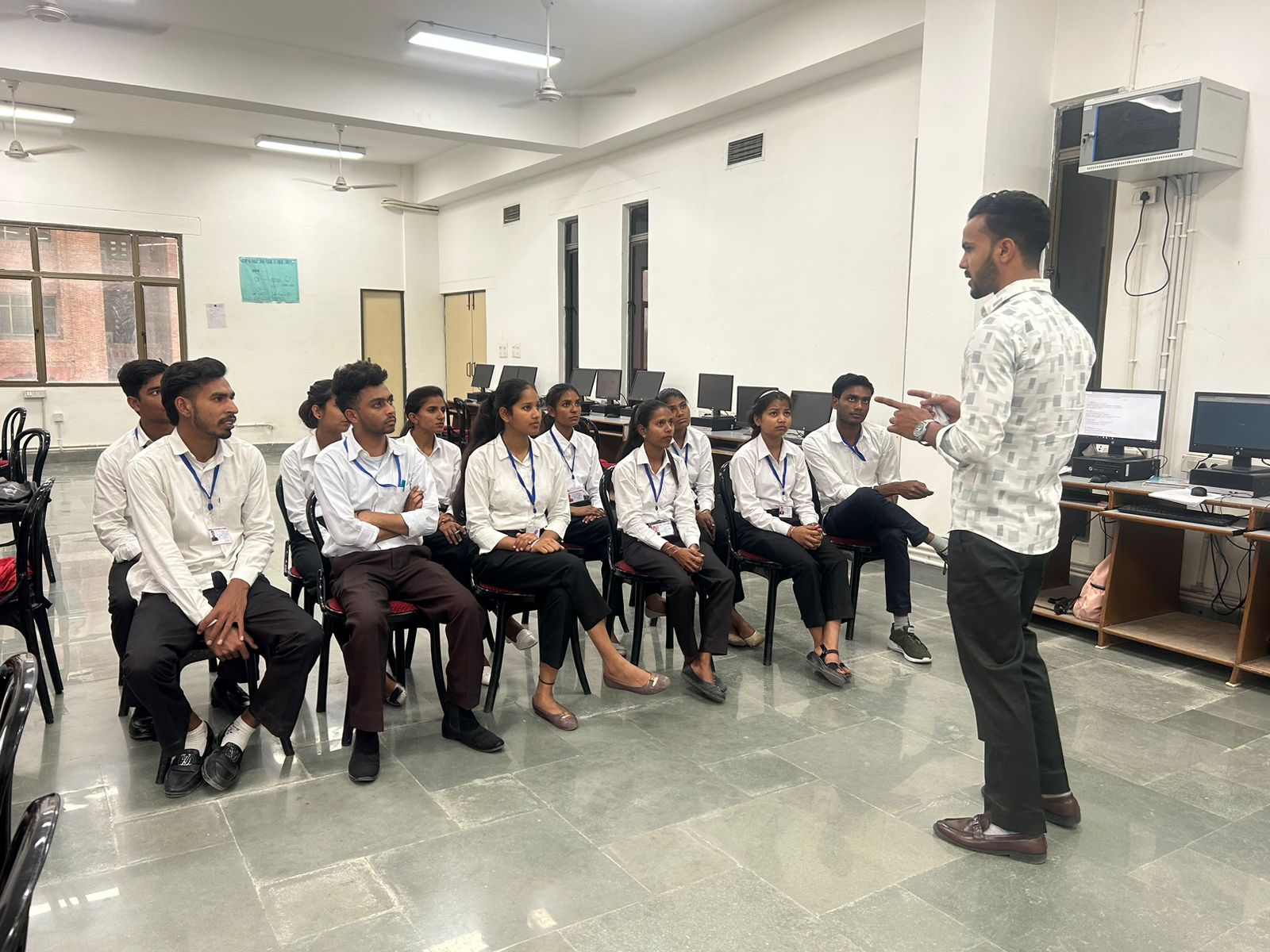
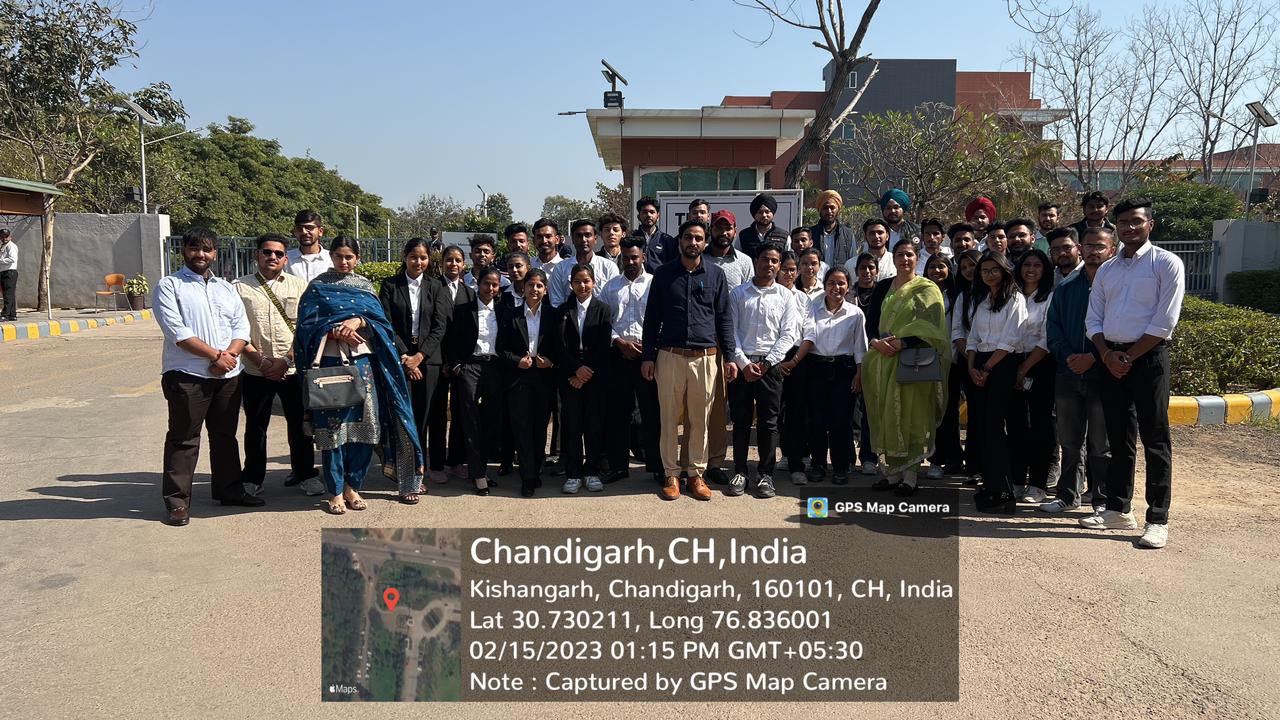
Department of Computational Sciences organised an industrial visit for the students of BCA, MCA at TechMahindra, Rajiv Gandhi Technology Park, Chandigarh.
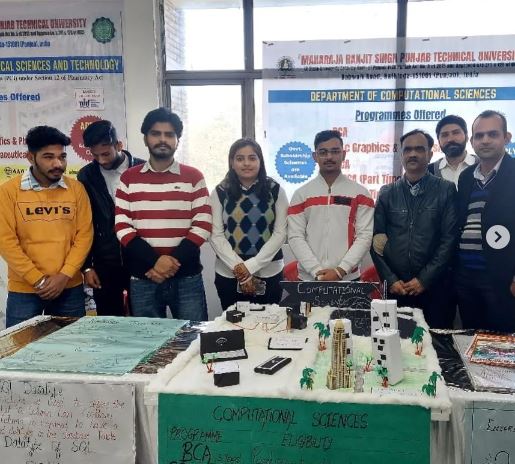
Computational Sciences Department at Science Expo, conducted on 3rd February 2023.
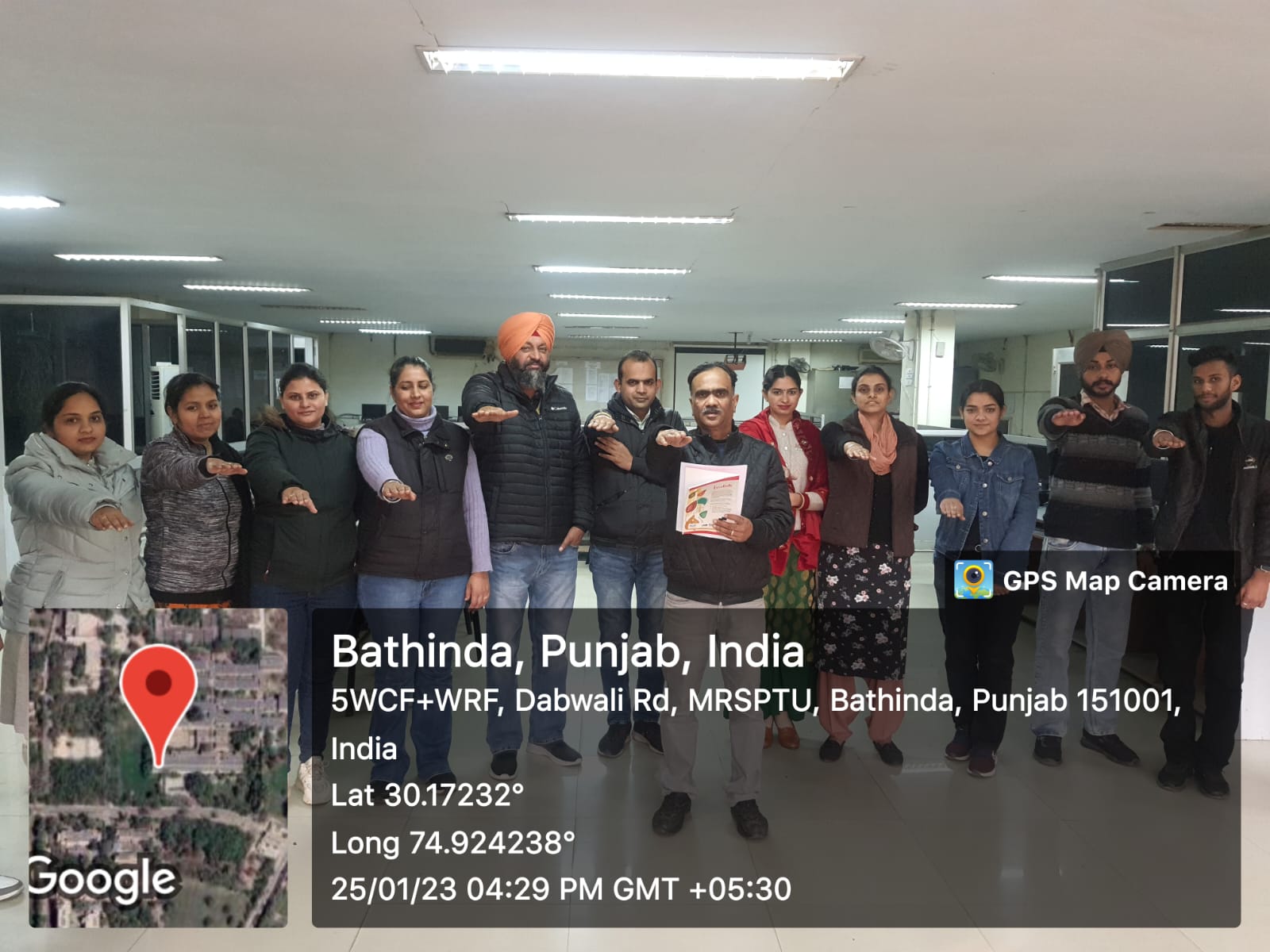
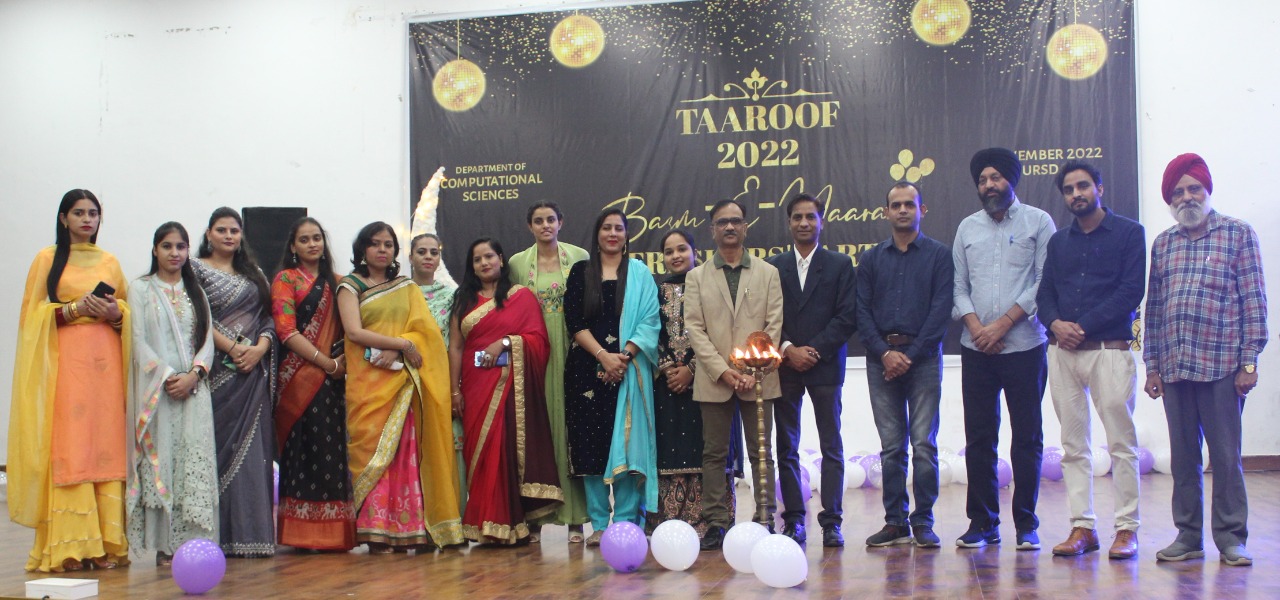
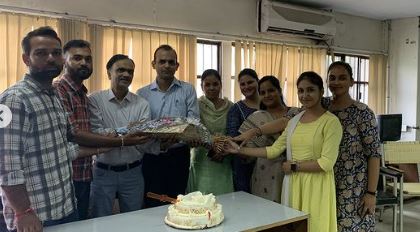
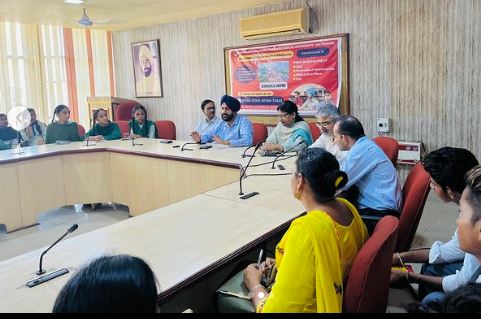
Department of Computational Sciences Extends a warm welcome to the students of Govt. Sr. Sec. School ,Gulabgarh.
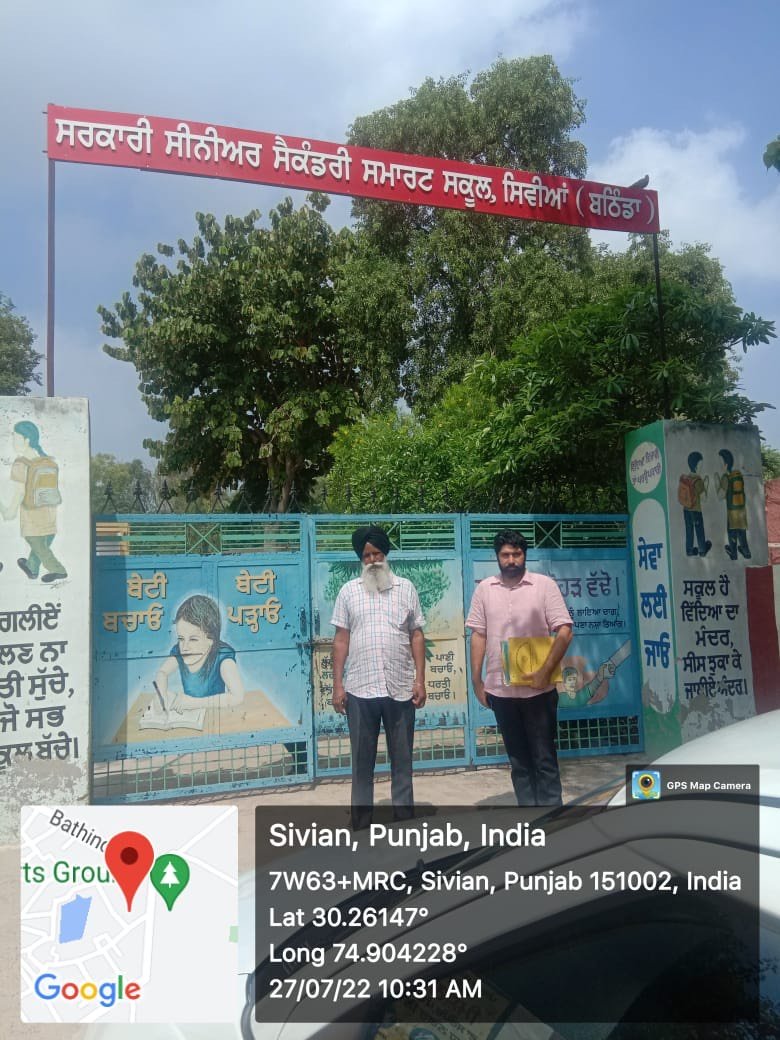
On this occasion, Mr. Sukhbir Singh (Asst.Prof. ) accompanied with Mr.Balwinder Singh shared fundamentals of Computational Sciences programmes taught in the university among the students of senior secondary division in various schools in the Bathinda district.
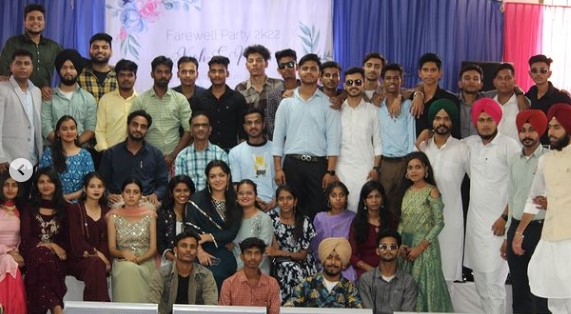
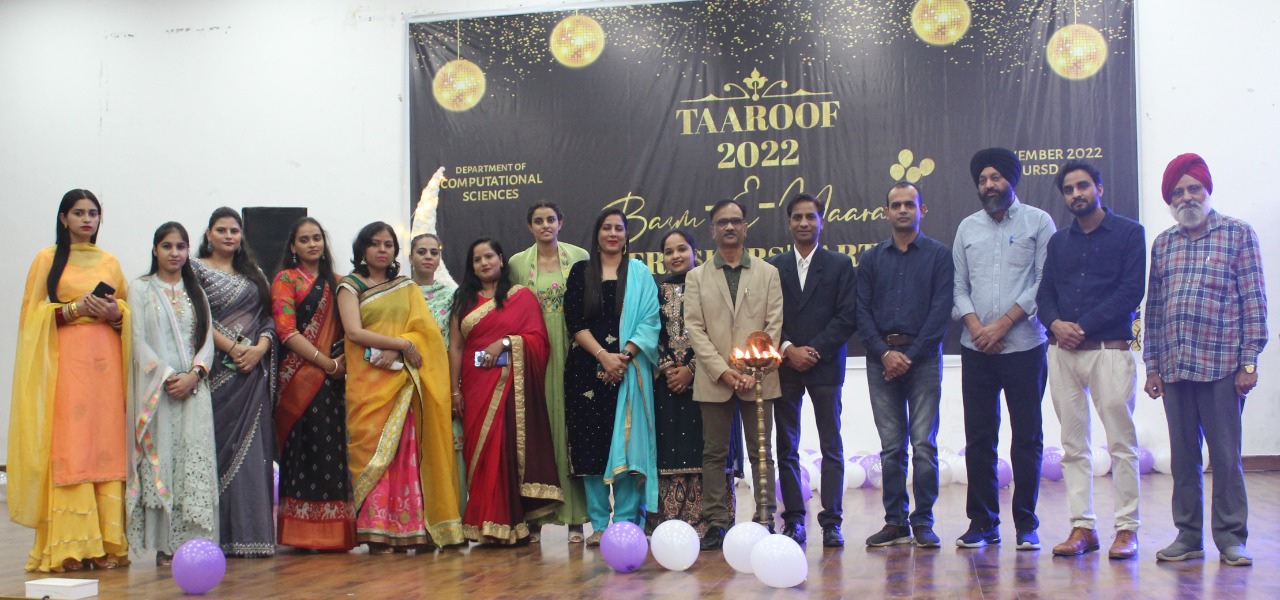
"Koh-E-Noor" Farewell party 2022 for BATCH 2019.
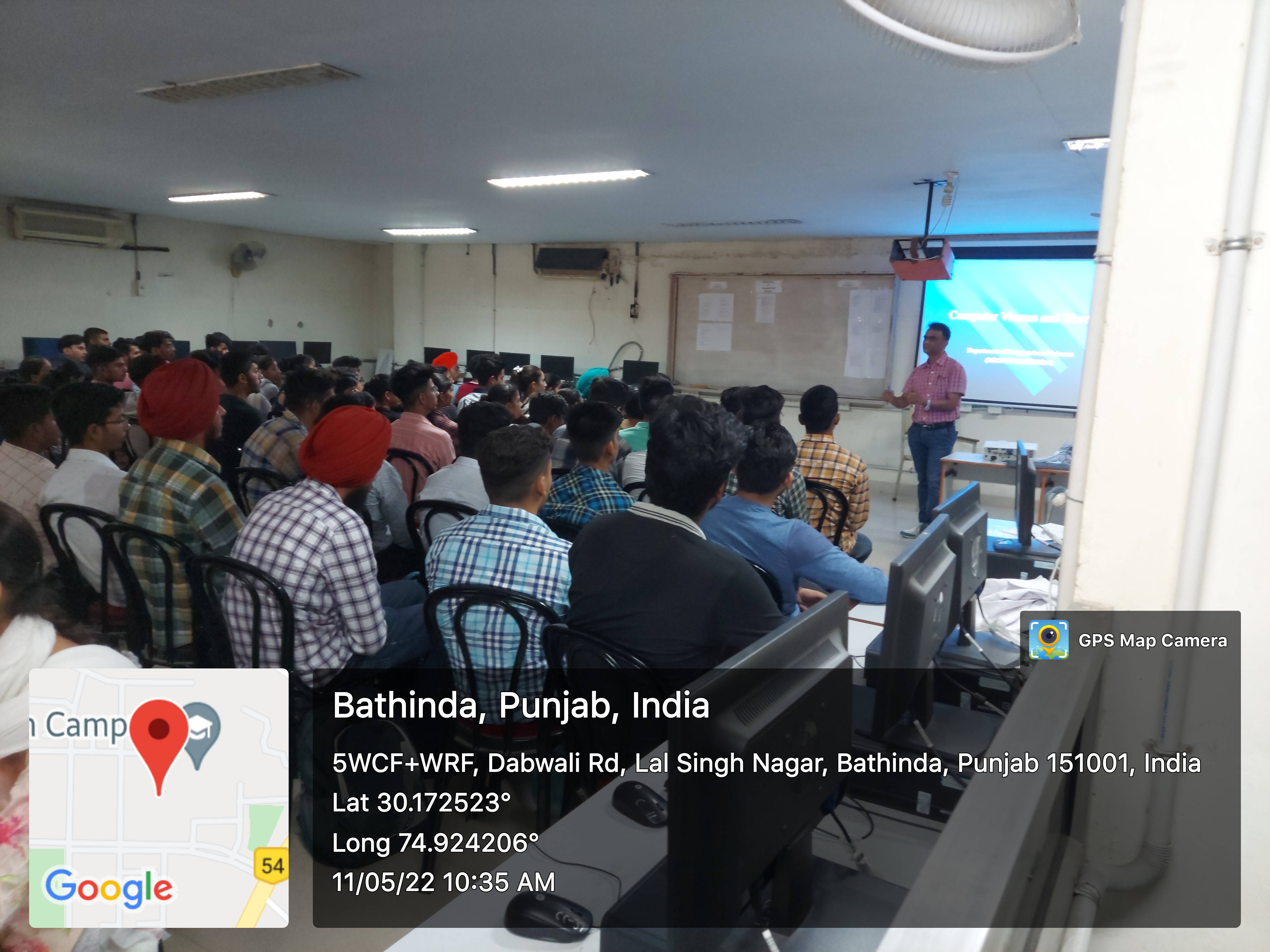
.jpg)
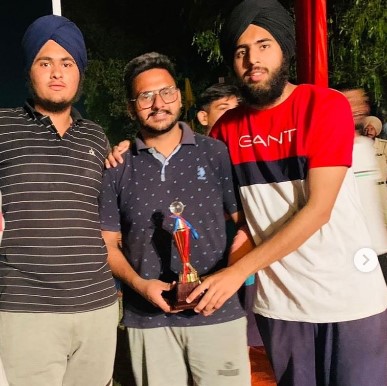
Students of BCA-MCA Dual degree 4th semester for winning "Tug of War" game at the athletic event organised by MRSPTU University from 25th March 2022 to 26th March 2022.
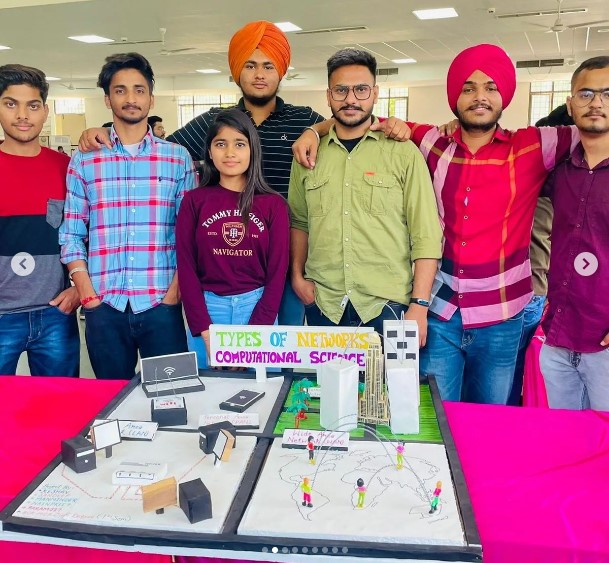
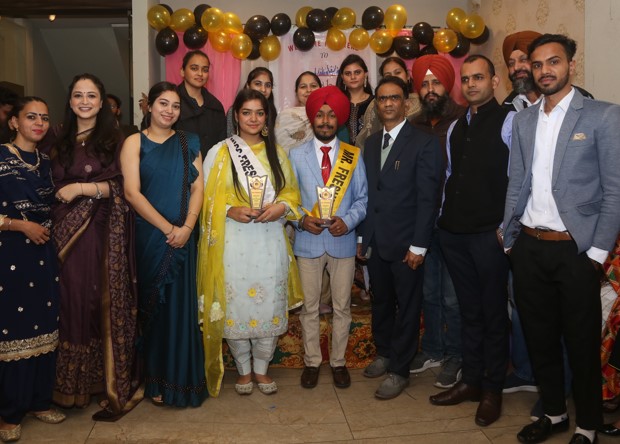
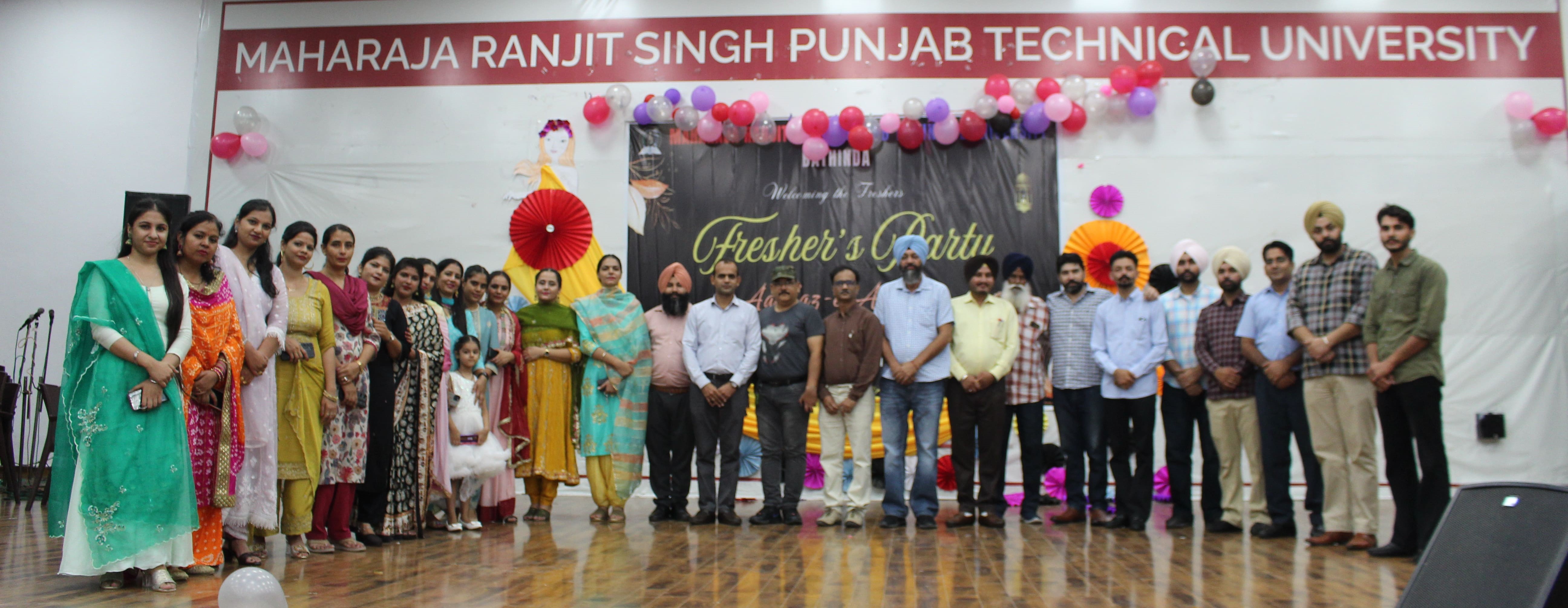
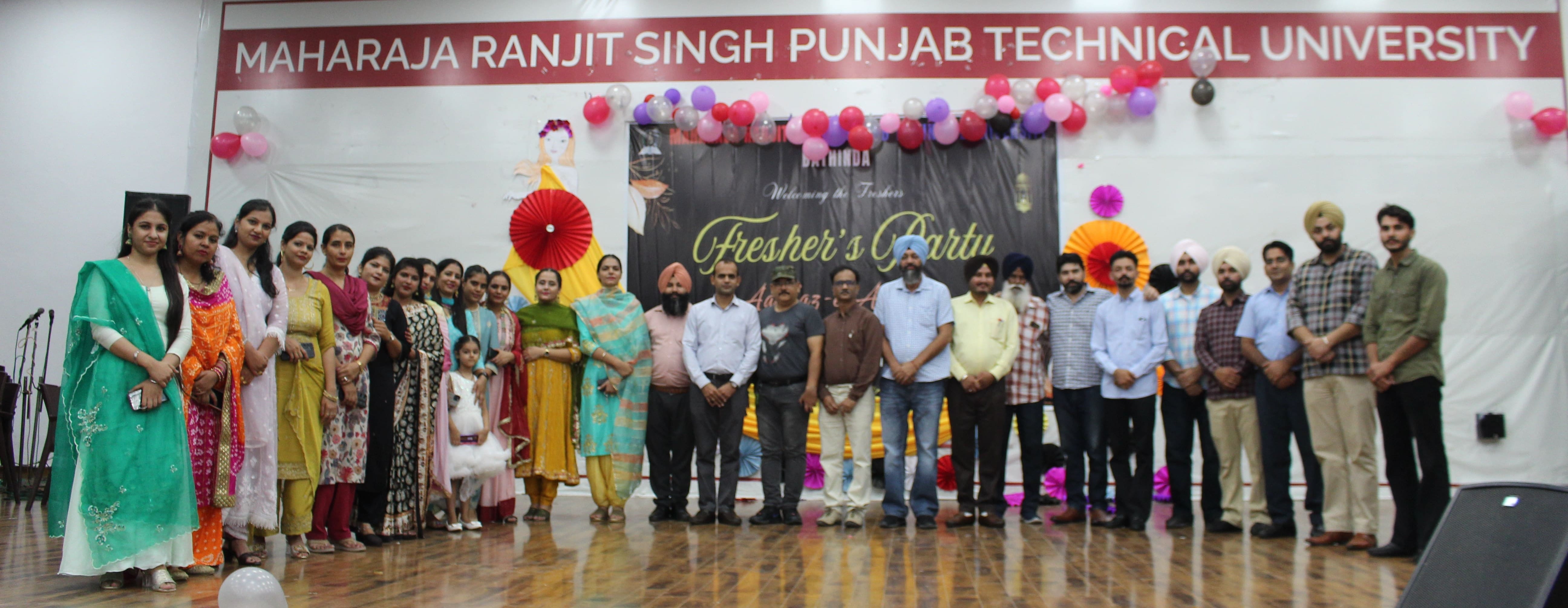
AAGHAZ-2021 - FRESHERS PARTY for BCA-MCA /MCA 2021 batch students.
Moments of getting together, knowing one another, creating new friendships. A grand celebration of new beginnings...
WELCOME BCA-MCA /MCA 2021 BATCH STUDENTS
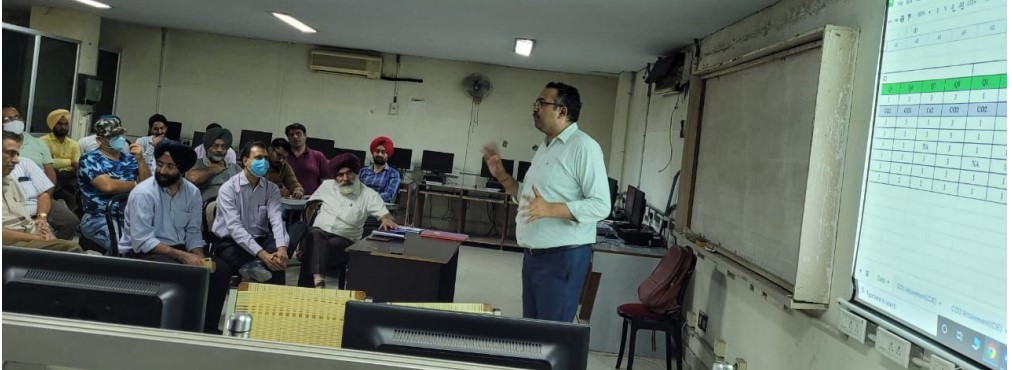
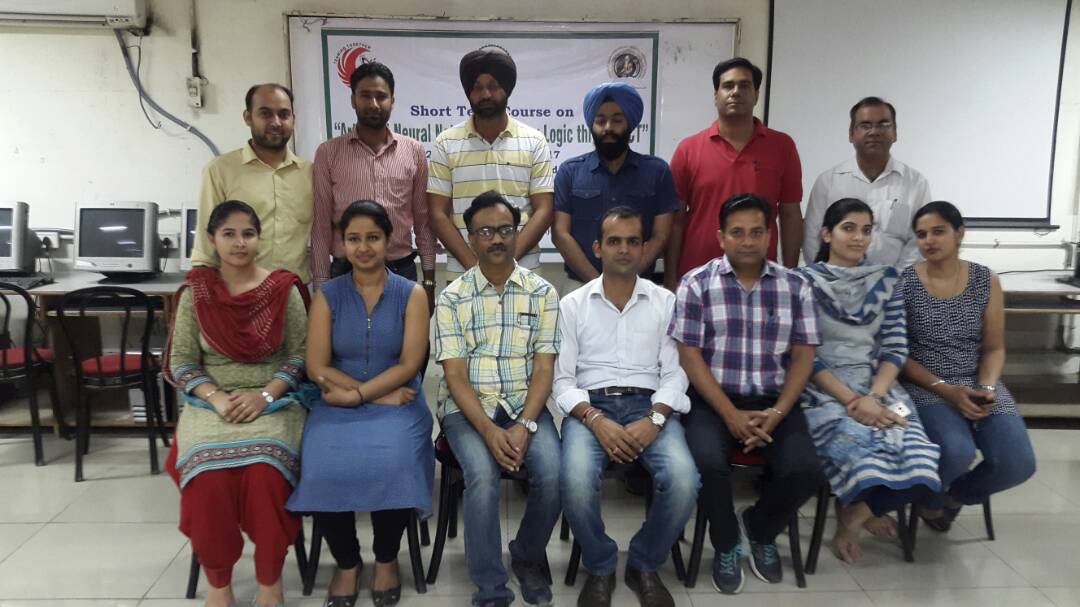
A Short Term course was organized by Computer Applications Department From 29th August 2016 to 2nd Sept 2016 on the topic on “ICT BASED OPEN SOURCE TECHNOLOGIES” at Computer Centre. The course was presented by NITTTR, Chandigarh and was very beneficial for faculty.
.jpg)
The Workshop on “CYBER SECURITY” was organised on 7th Sept 2016 by Computer Applications Department at Computer Centre. The workshop was conducted by the expert from INFOWIZ. Students of Computer Applications Department attended the workshop . The workshop was very useful for enhancing the practical knowledge of the students.
| Session | File |
|---|---|
| No timetable available. | |
| Sr No. | Course | Intake | Duration |
|---|---|---|---|
| 1 | M.Sc. (Data Science & Analytics) | 30 | 2 Years |
| 2 | B.A. Hons. (Computer Science) | 270 seats | 4 Years |
| 3 | B.Sc. Hons. (Graphics And Web Designing) | 60 Seats | 4 Years |
| 4 | BCA (Hons.) | 270 Seats | 4 Years |
| 5 | MCA | 60 Seats | 2 years |
| 6 | Ph.D | - | - |